Hot Dogs & Hamburgers
Last updated: 30 Jun 2026
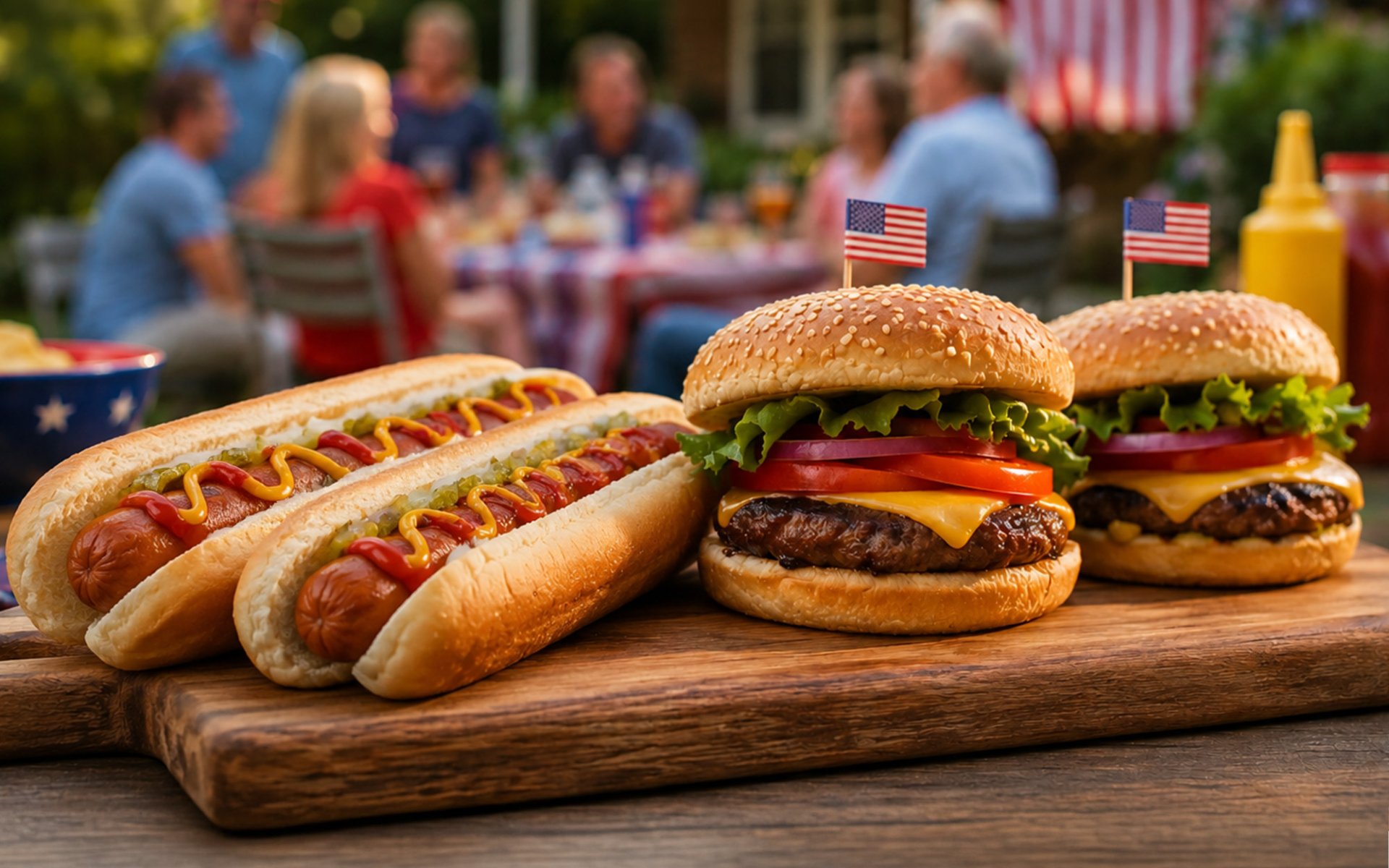
When it comes to foods that best represent the identity of the United States, hot dogs and hamburgers are often the first that come to mind. Although both originated from the culinary traditions of European immigrants, they have become deeply woven into the American way of life over time, evolving into cultural icons recognized around the world.
Today, hot dogs and hamburgers can be found in virtually every city and state across the United States. They are closely associated with many of the nation’s most celebrated occasions, particularly Independence Day and baseball, often referred to as “America’s Pastime.”
The story of the hot dog began centuries earlier in Europe. Most food historians recognize Frankfurt, Germany, as the birthplace of the Frankfurter sausage, dating back to around 1487. Meanwhile, Vienna, Austria, also lays claim to its origin through the Wiener sausage, named after Wien, the German name for Vienna.
The hot dog as we know it today, however, was born in the United States following the arrival of large numbers of German immigrants in the mid-19th century. These immigrants introduced not only sausages but also beer and a variety of meat-based dishes that would later play an important role in shaping American food culture.
In 1916, Nathan Handwerker, a Polish-Jewish immigrant, opened Nathan’s Famous, also on Coney Island. By selling hot dogs for just five cents each—significantly cheaper than his competitors—his business quickly gained popularity. During the Great Depression, hot dogs became one of America’s most affordable meals, with an entire family able to dine for less than 50 cents.
One reason hot dogs became so successful was their convenience. Early vendors reportedly lent customers white cloth gloves to handle the hot sausages before collecting the gloves afterward. Everything changed once the sausage was placed inside a long bread roll. Suddenly, people could enjoy the meal with one hand, without plates or utensils. This simple innovation transformed the hot dog into one of America’s most beloved street foods and laid the foundation for modern fast food.
German immigrants brought this dish to the United States during the 19th century. While historians continue to debate who first placed the beef patty between slices of bread, one milestone that helped popularize the hamburger nationwide was the 1904 St. Louis World’s Fair, where hamburgers were served to large crowds and introduced to visitors from across the country.
As American cities expanded and transportation networks improved, hamburgers became increasingly popular among people seeking quick, convenient meals. According to Megan Elias, a food historian at Boston University, both hamburgers and hot dogs gained widespread appeal because they suited the fast-paced lifestyles of urban Americans. Over time, these foods evolved from immigrant cuisine into everyday staples and enduring symbols of American culture.
Hot dogs and hamburgers have become essential parts of these celebrations because they are simple to prepare, require relatively few ingredients, and can be cooked in large quantities—making them ideal for outdoor gatherings with family, friends, and neighbors.
According to the National Hot Dog and Sausage Council (NHDSC), Americans consume approximately 150 million hot dogs on Independence Day alone. Between Memorial Day and Labor Day, more than 7 billion hot dogs are eaten nationwide. Hamburgers are equally popular, thanks to their perfect compatibility with backyard grilling, a cherished American holiday tradition.
The familiar sight of vendors carrying trays of hot dogs through the stands while calling out to spectators has remained an iconic part of the American baseball experience for well over a century.
Today, hot dogs continue to rank among the best-selling foods at Major League Baseball (MLB) stadiums. For many fans, enjoying a hot dog while watching a baseball game is a tradition that completes the experience.
Meanwhile, hamburgers remain a staple at sports venues, restaurants, and backyard barbecues throughout the United States. Together, these two iconic foods have transcended their roles as simple fast food to become enduring symbols of American leisure, family gatherings, sporting traditions, and national celebrations enjoyed by generations of Americans.
Today, hot dogs and hamburgers can be found in virtually every city and state across the United States. They are closely associated with many of the nation’s most celebrated occasions, particularly Independence Day and baseball, often referred to as “America’s Pastime.”
From Europe to America
Before becoming quintessential American foods, both hot dogs and hamburgers traced their roots to the culinary traditions brought by European immigrants who settled in the United States during the 19th century—a period marked by rapid population growth fueled by immigration.The story of the hot dog began centuries earlier in Europe. Most food historians recognize Frankfurt, Germany, as the birthplace of the Frankfurter sausage, dating back to around 1487. Meanwhile, Vienna, Austria, also lays claim to its origin through the Wiener sausage, named after Wien, the German name for Vienna.
The hot dog as we know it today, however, was born in the United States following the arrival of large numbers of German immigrants in the mid-19th century. These immigrants introduced not only sausages but also beer and a variety of meat-based dishes that would later play an important role in shaping American food culture.
The Rise of the American Hot Dog
One of the pioneers of the American hot dog was Charles Feltman, a German immigrant who began selling sausages served in bread on Coney Island, New York, in 1871. In his first year alone, he reportedly sold more than 3,600 hot dogs, marking the beginning of what would become a thriving street-food industry.In 1916, Nathan Handwerker, a Polish-Jewish immigrant, opened Nathan’s Famous, also on Coney Island. By selling hot dogs for just five cents each—significantly cheaper than his competitors—his business quickly gained popularity. During the Great Depression, hot dogs became one of America’s most affordable meals, with an entire family able to dine for less than 50 cents.
One reason hot dogs became so successful was their convenience. Early vendors reportedly lent customers white cloth gloves to handle the hot sausages before collecting the gloves afterward. Everything changed once the sausage was placed inside a long bread roll. Suddenly, people could enjoy the meal with one hand, without plates or utensils. This simple innovation transformed the hot dog into one of America’s most beloved street foods and laid the foundation for modern fast food.
The Evolution of the Hamburger
Like the hot dog, the hamburger also has German origins. Its story begins in Hamburg, one of northern Germany’s most important port cities and a major European trading hub since the 12th century. There, seasoned minced beef was commonly served as what became known as the Hamburg Steak.German immigrants brought this dish to the United States during the 19th century. While historians continue to debate who first placed the beef patty between slices of bread, one milestone that helped popularize the hamburger nationwide was the 1904 St. Louis World’s Fair, where hamburgers were served to large crowds and introduced to visitors from across the country.
As American cities expanded and transportation networks improved, hamburgers became increasingly popular among people seeking quick, convenient meals. According to Megan Elias, a food historian at Boston University, both hamburgers and hot dogs gained widespread appeal because they suited the fast-paced lifestyles of urban Americans. Over time, these foods evolved from immigrant cuisine into everyday staples and enduring symbols of American culture.
Independence Day Favorites
Every year on July 4, Americans celebrate Independence Day, one of the nation's most important holidays. Typical celebrations include family gatherings, backyard barbecues, picnics, parades, fireworks, and sporting events.Hot dogs and hamburgers have become essential parts of these celebrations because they are simple to prepare, require relatively few ingredients, and can be cooked in large quantities—making them ideal for outdoor gatherings with family, friends, and neighbors.
According to the National Hot Dog and Sausage Council (NHDSC), Americans consume approximately 150 million hot dogs on Independence Day alone. Between Memorial Day and Labor Day, more than 7 billion hot dogs are eaten nationwide. Hamburgers are equally popular, thanks to their perfect compatibility with backyard grilling, a cherished American holiday tradition.
A Perfect Match with Baseball
Beyond Independence Day, hot dogs have long been associated with baseball. They began appearing at baseball stadiums in the early 20th century because they were inexpensive, easy to eat with one hand, and allowed fans to enjoy the game without interruption.The familiar sight of vendors carrying trays of hot dogs through the stands while calling out to spectators has remained an iconic part of the American baseball experience for well over a century.
Today, hot dogs continue to rank among the best-selling foods at Major League Baseball (MLB) stadiums. For many fans, enjoying a hot dog while watching a baseball game is a tradition that completes the experience.
Meanwhile, hamburgers remain a staple at sports venues, restaurants, and backyard barbecues throughout the United States. Together, these two iconic foods have transcended their roles as simple fast food to become enduring symbols of American leisure, family gatherings, sporting traditions, and national celebrations enjoyed by generations of Americans.
Tags :
Related Content