Root Beer Float
Last updated: 21 Jul 2026
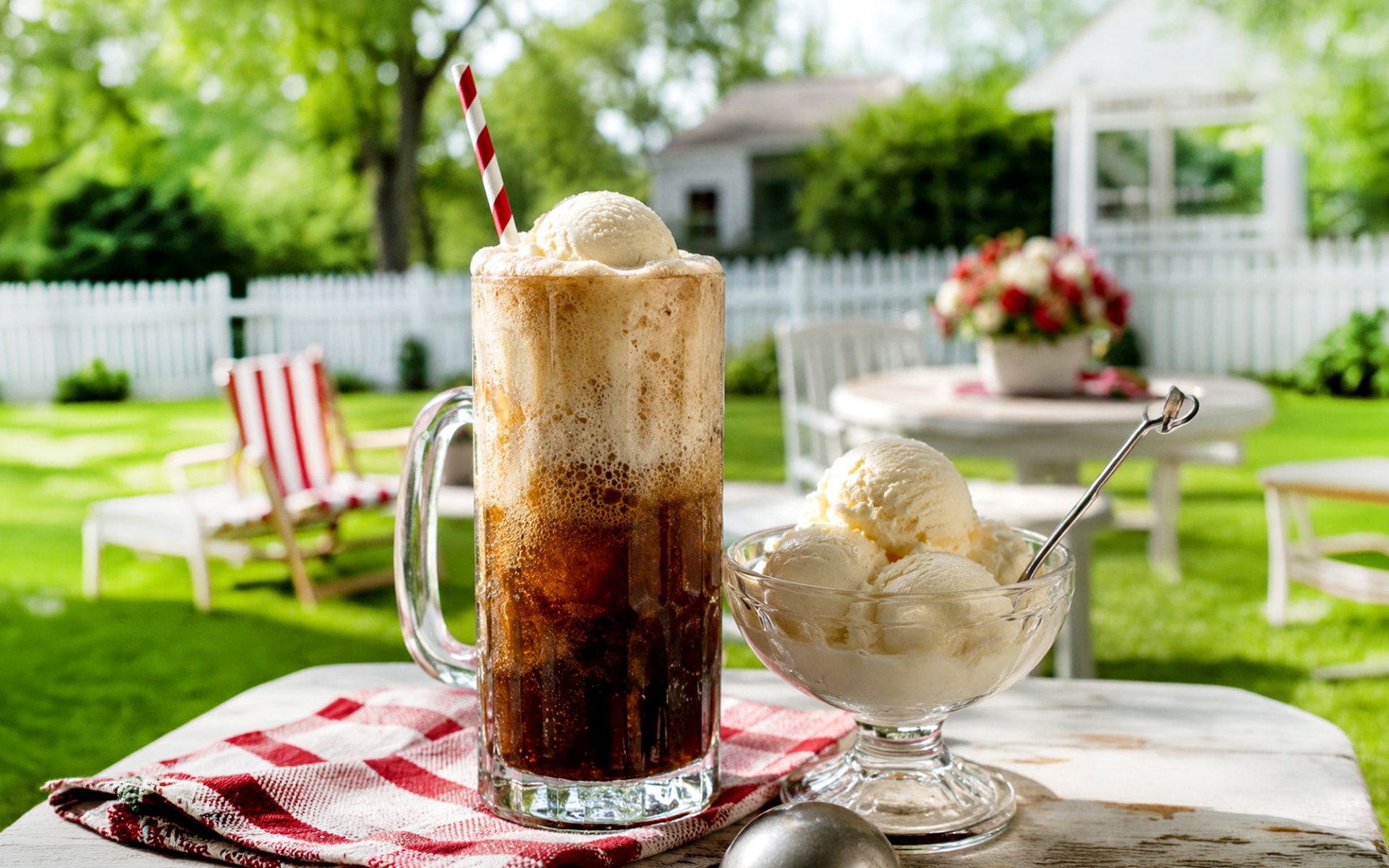
Root Beer Float is one of America's most iconic dessert beverages, beloved for generations for its simple preparation and unmistakable flavor. It is made by placing a scoop of vanilla ice cream into a glass and pouring root beer over the top. As the carbon dioxide in the root beer comes into contact with the fat and proteins in the ice cream, it creates a rich, creamy foam that rises above the drink—an unmistakable hallmark of a classic Root Beer Float.
During the colonial period, these lightly fermented drinks became widely consumed because clean drinking water was often scarce or contaminated. As a result, beverages containing a small amount of alcohol were generally considered safer than drinking untreated water.
According to popular accounts, Hires first tasted a herbal beverage during his honeymoon in 1875 and was inspired to create his own recipe. In 1876, he developed a unique formula containing more than sixteen varieties of roots, herbs, and wild berries. He introduced the beverage at the Centennial Exposition, the world's fair celebrating the 100th anniversary of American independence, where free samples attracted widespread public attention.
Originally, Hires intended to call his beverage "Root Tea." However, Russell Conwell, founder of Temple University, suggested renaming it "Root Beer." The word beer was more familiar and appealing to consumers—particularly working-class Americans—and helped position the product as a satisfying, non-alcoholic alternative at a time when the Temperance Movement, which promoted reduced alcohol consumption, was gaining momentum across the United States.
Green later recounted the story of his invention in Soda Fountain Magazine in 1910. He explained that he wanted to create a unique beverage to compete with neighboring vendors who had more modern equipment and more elaborate drink offerings. By combining vanilla ice cream with carbonated soda and flavored syrups, he developed a refreshing new beverage that quickly became a public favorite.
The popularity of the Ice Cream Soda inspired soda fountains across the United States to experiment with countless new combinations of carbonated drinks and ice cream. During the late nineteenth century, soda fountains became important social gathering places and centers of beverage innovation throughout America.
Green's invention ultimately paved the way for the broader tradition of ice cream floats. Before long, vanilla ice cream was paired with root beer, creating what would become the Root Beer Float—a dessert beverage that has since become an enduring symbol of American food culture.
The Origins of Root Beer: Indigenous Roots and "Small Beer"
The story of Root Beer begins long before the invention of the float itself, dating back to the colonial era of North America. Its origins lie in the traditional knowledge of Native American communities, who brewed beverages from a variety of roots, bark, and herbs to help relieve ailments, aid digestion, and promote overall well-being. Key ingredients included:- Sassafras
- Sarsaparilla
- Birch Bark
- Wintergreen
- Licorice
During the colonial period, these lightly fermented drinks became widely consumed because clean drinking water was often scarce or contaminated. As a result, beverages containing a small amount of alcohol were generally considered safer than drinking untreated water.
Commercial Success and the Temperance Movement
A major turning point came in the late nineteenth century, when Charles Elmer Hires, a Philadelphia pharmacist, transformed this traditional herbal drink into a successful commercial product.According to popular accounts, Hires first tasted a herbal beverage during his honeymoon in 1875 and was inspired to create his own recipe. In 1876, he developed a unique formula containing more than sixteen varieties of roots, herbs, and wild berries. He introduced the beverage at the Centennial Exposition, the world's fair celebrating the 100th anniversary of American independence, where free samples attracted widespread public attention.
Originally, Hires intended to call his beverage "Root Tea." However, Russell Conwell, founder of Temple University, suggested renaming it "Root Beer." The word beer was more familiar and appealing to consumers—particularly working-class Americans—and helped position the product as a satisfying, non-alcoholic alternative at a time when the Temperance Movement, which promoted reduced alcohol consumption, was gaining momentum across the United States.
The Invention of the Ice Cream Soda
The story of the Root Beer Float begins with another American invention: the Ice Cream Soda, also known as the Ice Cream Float. This beverage was created by Robert McCay Green, a Philadelphia soft drink vendor, during the celebration of the 50th anniversary of the Franklin Institute in 1874.Green later recounted the story of his invention in Soda Fountain Magazine in 1910. He explained that he wanted to create a unique beverage to compete with neighboring vendors who had more modern equipment and more elaborate drink offerings. By combining vanilla ice cream with carbonated soda and flavored syrups, he developed a refreshing new beverage that quickly became a public favorite.
The popularity of the Ice Cream Soda inspired soda fountains across the United States to experiment with countless new combinations of carbonated drinks and ice cream. During the late nineteenth century, soda fountains became important social gathering places and centers of beverage innovation throughout America.
Green's invention ultimately paved the way for the broader tradition of ice cream floats. Before long, vanilla ice cream was paired with root beer, creating what would become the Root Beer Float—a dessert beverage that has since become an enduring symbol of American food culture.
Tags :
Related Content