3,000 Years of Spanish Wine
Last updated: 27 Aug 2026
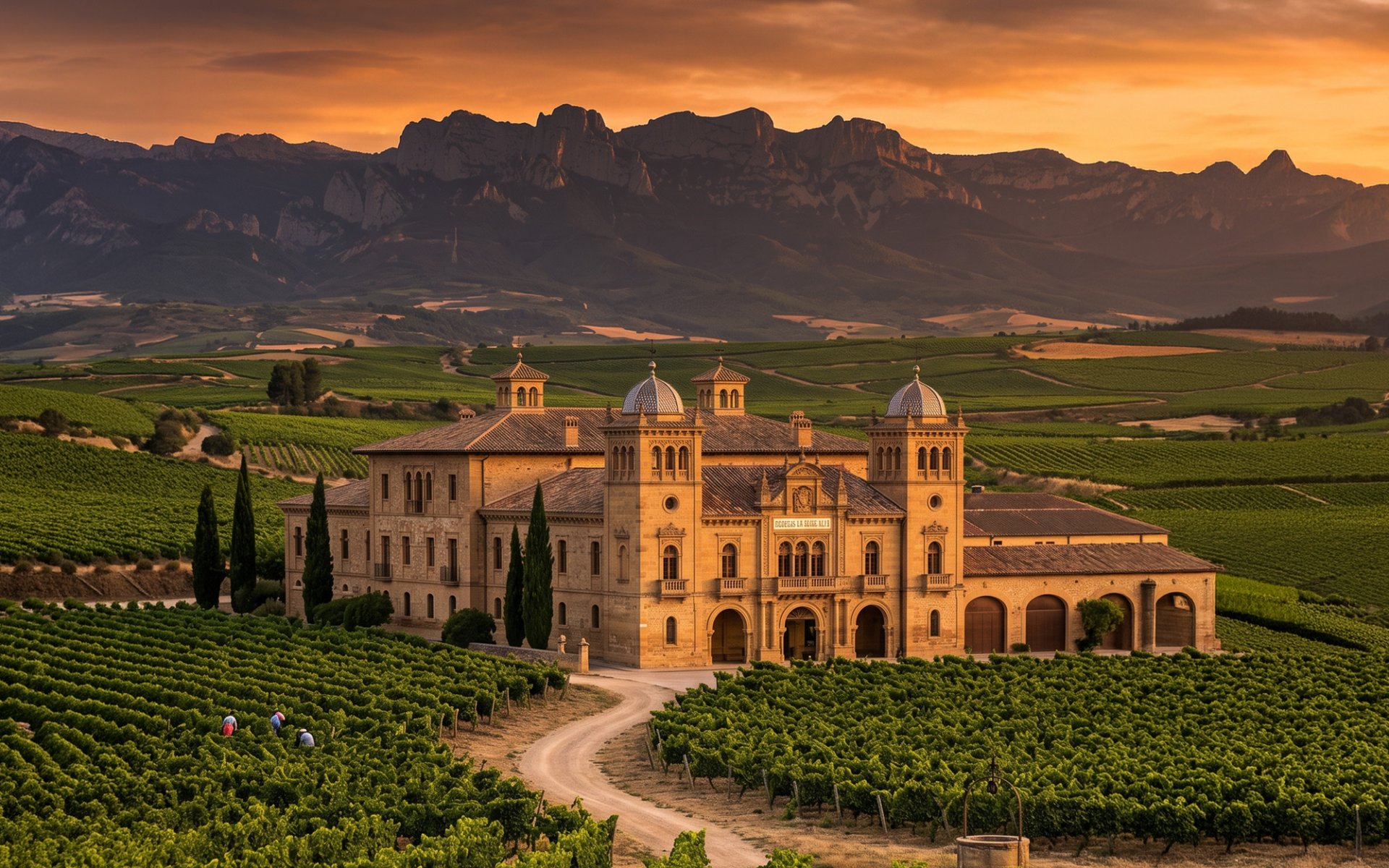
Spain is one of the European countries with a long and distinguished history of grape cultivation and winemaking. Spanish wine culture has been shaped and developed through the rise and fall of numerous civilizations and historical periods. It began with the arrival of Phoenician traders, who played an important role in introducing knowledge of grape cultivation and winemaking to the Iberian Peninsula, followed by the expansion of the Roman Empire, which brought significant growth to wine production and trade.
Following the Punic Wars, however, the region became part of the Roman Empire and was known as Hispania. The arrival of the Romans led to the more systematic development of grape cultivation and winemaking. Hispania subsequently became one of the Roman Empire's important wine-producing regions, particularly for wines produced for trade and export to territories throughout the Roman world.
Over the centuries of Roman rule, wine production and exports expanded significantly. Two particularly important regions were Tarraconensis in the north, covering areas around present-day Tarragona, and Baetica in the south, encompassing much of what is now Andalusia. Both regions played an important role as wine-producing areas within the Roman Empire.
Wines from Hispania were mentioned in the writings of Strabo, the Greek geographer and historian, who noted that wines from the Tarragona area were among the products that were well known and highly regarded in Rome. The area around the ancient city of Ceret, which later developed into the city of Jerez, now famous for Sherry production, also produced a distinctive wine known as Vinum ceretensis.
This wine was made by concentrating grape juice before blending it with wine, resulting in a sweet wine with relatively high alcohol content and good aging and storage potential. These characteristics made Vinum ceretensis popular among the Romans and demonstrated the knowledge and diversity of winemaking techniques that existed in Hispania.
When the Western Roman Empire collapsed in the early fifth century, the trading system and economic networks that had connected Hispania with other parts of the Roman world were severely disrupted. Political changes and instability interrupted established trade routes, causing the importance of wine exports from the Iberian Peninsula to decline rapidly.
Although Islam prohibited the consumption of alcoholic beverages, grape cultivation and the use of grapes did not disappear entirely from the Iberian Peninsula. Grape growing and winemaking continued in certain areas, particularly among Christian and Jewish communities living under Muslim rule. Grapes were also used for other purposes, including the production of grape juice and raisins, allowing grape cultivation to remain an important part of local agriculture.
As a result, the period from approximately the fifth to the twelfth century contains relatively limited evidence concerning wine production and export from the Iberian Peninsula, particularly when compared with the Roman period. Nevertheless, traditions of grape cultivation and winemaking continued at the local level. As Christian kingdoms in the north of the peninsula expanded and trade routes were gradually restored, wine production and trade once again began to play a more significant role. This would eventually lead to major developments in Spanish wine culture in later centuries.
The Rioja region, now recognized as one of Spain's most famous wine-producing areas, has a history of grape cultivation and winemaking stretching back many centuries. Written evidence of grape cultivation can be traced to 873 AD, in documents associated with the monastery of San Millán de la Cogolla. This evidence indicates that grape growing had already become an established part of the region during the Middle Ages and developed alongside local communities and religious institutions.
Later, in 1102, the kings of Navarre and Aragon officially recognized the legal status of wine from Rioja. This recognition is an important historical indication of the reputation and acceptance of wines from the region during the Middle Ages and represents one of the early examples of formal recognition for wine from a specific producing area in European wine history.
As trade throughout Europe expanded, wines from Rioja gradually began to reach markets beyond the region. By the 13th century, merchants were transporting Rioja wine to various parts of Europe, helping the reputation of the region's wines to spread more widely.
Spanish maritime expansion had consequences not only for trade but also for the spread of grape cultivation and winemaking culture to the New World. Spanish settlers and missionaries transported European grapevines across the Atlantic to territories that are now part of countries such as Mexico, Peru, Chile, and Argentina.
The introduction of European grapevines played an important role in establishing vineyards throughout the New World. Wine was particularly important for Christian religious practices, especially the celebration of Mass, which meant that missionaries played a significant role in bringing knowledge of grape cultivation and winemaking to newly established communities. Vineyards gradually appeared around towns and settlements where Spanish colonists established themselves.
The movement of grapevines from Spain to the Americas during this period was highly significant in the history of global wine. Grapevines introduced by the Spanish became ancestors of varieties that are still cultivated in parts of North and South America today.
Meanwhile, within Spain itself, wine culture continued to develop in response to changing economic and social conditions. The growth of port cities and international trade was particularly important. One region that emerged as a major center was Andalusia, home to the famous fortified wine known as Sherry.
The city of Jerez de la Frontera and its surrounding areas offered suitable soil and climatic conditions for growing grapes used in Sherry production. Its location near the Atlantic Ocean also allowed the region to connect effectively with international maritime trade routes. As trade between Spain, England, and other European countries expanded, Sherry became one of the Spanish wines that gained considerable popularity in international markets.
During the 17th and 18th centuries, exports of Sherry to England grew steadily, creating a strong relationship between Jerez wine and the British market. The word “Sherry” itself is historically connected to the name Jerez, reflecting the way the city's name was pronounced and adapted in foreign languages.
Trade between Spain and England also encouraged the exchange of winemaking knowledge and techniques. A number of English merchants became involved in the wine trade in Jerez and established businesses that would have a lasting influence on the Sherry industry. As a result, Sherry developed beyond a wine consumed domestically and became one of Spain's important export products.
These developments helped Rioja wines evolve beyond earlier local styles and gain greater recognition in higher-end markets. The practice of aging wine in oak barrels, particularly the use of American oak, eventually became one of the defining characteristics of Rioja and contributed significantly to the distinctive character of many wines from the region.
At the same time, the European wine industry faced a major crisis caused by an insect pest known as Phylloxera. The insect spread from North America to Europe during the second half of the 19th century, attacking grapevine roots and causing devastating damage to vineyards across the continent.
France was among the countries most severely affected. As a result, winemakers and wine professionals traveled to Spain in search of new vineyard areas that had initially been less affected by the crisis. The movement of people and knowledge helped accelerate the development of Spain's wine industry.
Rioja was among the regions to benefit from these changes. Winemakers adopted and adapted French techniques, from grape selection and fermentation control to barrel aging. Spanish wine consequently developed increasingly sophisticated and systematic production methods, while its reputation in international markets continued to grow.
However, the Phylloxera crisis eventually reached Spain as well. Winemakers responded by using American grapevine rootstocks that were resistant to Phylloxera and grafting European grape varieties onto them. This technique became an essential method for helping vineyards across Europe recover from one of the greatest crises in the history of wine.
The DO system has played an important role in establishing the identity of Spanish wines. It allows consumers to associate wines with particular geographical areas while helping to protect the reputation of those regions and establish consistent production standards.
Among the highest classifications within Spain's wine system is Denominación de Origen Calificada (DOCa). Rioja received DOCa status in 1991, followed by Priorat in 2003. These designations reflect the high level of quality control and the established reputation of these wine-producing regions.
As a result, the image of Spanish wine today is far more diverse than it once was. While international consumers historically associated Spain primarily with Rioja and Sherry, the country now has numerous wine regions with distinctive identities, including Ribera del Duero, Priorat, Rías Baixas, Toro, Bierzo, and wine-producing areas across the Spanish islands.
What makes the modern development of Spanish wine particularly interesting is that it does not represent a rejection of tradition. Instead, many producers are combining knowledge inherited from the past with new ideas and techniques. Winemakers are increasingly returning to indigenous varieties such as Tempranillo, Garnacha, Monastrell, Albariño, and Mencía, while experimenting with modern fermentation and aging methods to reveal the distinctive potential of individual vineyards and regions.
From the beginnings of grape cultivation on the Iberian Peninsula thousands of years ago to its position today as one of the world's leading wine-producing countries, the history of Spanish wine is more than the story of a beverage. It is a reflection of the changing history, trade, religion, technology, and culture of the people who have inhabited the region throughout the centuries.
Over approximately 3,000 years, grapes and wine have traveled through numerous civilizations, from the Phoenicians and Romans to the Christian kingdoms and Al-Andalus, followed by the age of empire, international trade, and industrialization, before arriving at the contemporary wine world, where a new generation of winemakers continues to reinterpret this heritage.
For this reason, “3,000 Years of Spanish Wine” should not be understood as meaning that a single style or method of Spanish wine has remained unchanged for 3,000 years. Rather, it refers to the long history of grape cultivation and winemaking culture on Spanish soil, which has been inherited, transformed, and continuously developed over time—from the ancient world to the Spanish wines we know today.
From the past to the present, Spanish wine is a story of preserving its roots while embracing change. This is what makes Spain's wine culture so distinctive and continues to give it a fascinating place on the world wine stage.
Meanwhile, Sherry from the city of Jerez played an important role in Spain’s international wine trade, particularly in the English market, where demand for wines from Jerez continued to grow. Trade between the two countries helped Sherry become one of Spain’s economically significant exports and allowed the reputation of Jerez wines to spread far beyond the Iberian Peninsula.
The expansion of maritime exploration, trade, and colonial networks during this period therefore marked another important turning point in the history of Spanish wine. It not only allowed Spanish wine to reach new markets around the world, but also brought Spain’s knowledge of grape cultivation and winemaking to different territories, helping lay the foundations for the development of wine cultures in the New World.
Another major turning point in Spanish wine history came in the mid-19th century, when Phylloxera, an insect pest that attacks the roots of grapevines, spread rapidly through France, particularly in the Bordeaux region. The outbreak caused extensive damage to vineyards and severely affected the French wine industry.
As a result, Spain—particularly the Rioja region, which at that time had not yet been affected by Phylloxera—became an important destination for French wine merchants and producers who crossed the border in search of new sources of wine production.
The arrival of French winemakers contributed significantly to changes in winemaking practices in Rioja. They brought knowledge and techniques from Bordeaux, including the use of oak barrels for aging wine and the concept of bottling wine from a producer’s own vineyards. These approaches differed from traditional Spanish methods of producing and selling wine at the time. Their influence became an important foundation for the development of Rioja’s distinctive wine style and helped the region gain wider recognition.
However, the impact of Phylloxera was not limited to France. Over time, the pest also spread into Spain, causing severe damage to vineyards in many regions and creating a major crisis for the country’s wine industry in the late 19th century.
In 1933, Jerez was also granted DO status. Later, in 1970, Spain introduced a new wine law that helped establish and develop a more standardized national framework for the classification, regulation, and geographical certification of wine. This marked an important step toward creating a clearer and more systematic quality-control system for the Spanish wine industry.
In 1991, the system developed further when Rioja was granted the highest classification within Spain’s wine designation system: Denominación de Origen Calificada (DOCa). This status carries stricter requirements for quality control and production standards. In 2003, Priorat was also granted DOCa status, making these two regions the only wine-producing areas in Spain to hold this highest designation.
During the same period, Spain’s system for classifying wines according to their aging periods and production methods also became more clearly established, particularly through the categories Crianza, Reserva, and Gran Reserva. These classifications provide guidelines concerning minimum aging periods and the characteristics of wines at each level. The system has helped establish standards and provide consumers with a clearer understanding of the aging and style of Spanish wines, becoming an important part of Spanish wine culture that continues to this day.
Spain is also home to Cava, the country’s renowned sparkling wine, particularly associated with Catalonia. Cava is produced using a second fermentation in the bottle, following the traditional method, the same fundamental production method used for Champagne.
At the same time, a new generation of Spanish winemakers is increasingly turning its attention to the restoration of indigenous grape varieties and historic vineyards. Alongside this, many producers are adopting organic farming practices and more sustainable approaches to wine production. These efforts not only help preserve biodiversity and the unique identity of individual wine regions, but also represent an important response to the challenges posed by climate change, which is increasingly affecting grape cultivation and wine production around the world.
The Phoenicians and Romans: The Dawn of Hispania
The Phoenicians arrived along the southern coast of the Iberian Peninsula and established the city of Cádiz, which later developed into an important center for trade and cultural exchange among people from different regions. As the Phoenicians settled and established trading networks, the culture of grape cultivation, winemaking, and wine consumption gradually spread and developed. Wine was not merely a beverage but also became an important commodity within the local economy and coastal trade.Following the Punic Wars, however, the region became part of the Roman Empire and was known as Hispania. The arrival of the Romans led to the more systematic development of grape cultivation and winemaking. Hispania subsequently became one of the Roman Empire's important wine-producing regions, particularly for wines produced for trade and export to territories throughout the Roman world.
Over the centuries of Roman rule, wine production and exports expanded significantly. Two particularly important regions were Tarraconensis in the north, covering areas around present-day Tarragona, and Baetica in the south, encompassing much of what is now Andalusia. Both regions played an important role as wine-producing areas within the Roman Empire.
Wines from Hispania were mentioned in the writings of Strabo, the Greek geographer and historian, who noted that wines from the Tarragona area were among the products that were well known and highly regarded in Rome. The area around the ancient city of Ceret, which later developed into the city of Jerez, now famous for Sherry production, also produced a distinctive wine known as Vinum ceretensis.
This wine was made by concentrating grape juice before blending it with wine, resulting in a sweet wine with relatively high alcohol content and good aging and storage potential. These characteristics made Vinum ceretensis popular among the Romans and demonstrated the knowledge and diversity of winemaking techniques that existed in Hispania.
When the Western Roman Empire collapsed in the early fifth century, the trading system and economic networks that had connected Hispania with other parts of the Roman world were severely disrupted. Political changes and instability interrupted established trade routes, causing the importance of wine exports from the Iberian Peninsula to decline rapidly.
The Middle Ages: Al-Andalus and the Preservation of the Vine
Following the collapse of the Roman Empire, the Iberian Peninsula entered a period of major political transformation. Various Germanic peoples, particularly the Vandals and Visigoths, exerted influence and established their rule over parts of the region. Then, in 711 AD, Muslim armies from North Africa conquered much of the peninsula and established the political and cultural world known as Al-Andalus.Although Islam prohibited the consumption of alcoholic beverages, grape cultivation and the use of grapes did not disappear entirely from the Iberian Peninsula. Grape growing and winemaking continued in certain areas, particularly among Christian and Jewish communities living under Muslim rule. Grapes were also used for other purposes, including the production of grape juice and raisins, allowing grape cultivation to remain an important part of local agriculture.
As a result, the period from approximately the fifth to the twelfth century contains relatively limited evidence concerning wine production and export from the Iberian Peninsula, particularly when compared with the Roman period. Nevertheless, traditions of grape cultivation and winemaking continued at the local level. As Christian kingdoms in the north of the peninsula expanded and trade routes were gradually restored, wine production and trade once again began to play a more significant role. This would eventually lead to major developments in Spanish wine culture in later centuries.
The Rioja region, now recognized as one of Spain's most famous wine-producing areas, has a history of grape cultivation and winemaking stretching back many centuries. Written evidence of grape cultivation can be traced to 873 AD, in documents associated with the monastery of San Millán de la Cogolla. This evidence indicates that grape growing had already become an established part of the region during the Middle Ages and developed alongside local communities and religious institutions.
Later, in 1102, the kings of Navarre and Aragon officially recognized the legal status of wine from Rioja. This recognition is an important historical indication of the reputation and acceptance of wines from the region during the Middle Ages and represents one of the early examples of formal recognition for wine from a specific producing area in European wine history.
As trade throughout Europe expanded, wines from Rioja gradually began to reach markets beyond the region. By the 13th century, merchants were transporting Rioja wine to various parts of Europe, helping the reputation of the region's wines to spread more widely.
The Age of Exploration and the Rise of Sherry
As Spain entered the early modern period, it emerged as one of the world's major maritime powers. This was particularly significant following Christopher Columbus's voyage in 1492, which opened new routes of contact between Spain and the Americas and contributed to the expansion of Spanish navigation, trade, and political influence across the Atlantic.Spanish maritime expansion had consequences not only for trade but also for the spread of grape cultivation and winemaking culture to the New World. Spanish settlers and missionaries transported European grapevines across the Atlantic to territories that are now part of countries such as Mexico, Peru, Chile, and Argentina.
The introduction of European grapevines played an important role in establishing vineyards throughout the New World. Wine was particularly important for Christian religious practices, especially the celebration of Mass, which meant that missionaries played a significant role in bringing knowledge of grape cultivation and winemaking to newly established communities. Vineyards gradually appeared around towns and settlements where Spanish colonists established themselves.
The movement of grapevines from Spain to the Americas during this period was highly significant in the history of global wine. Grapevines introduced by the Spanish became ancestors of varieties that are still cultivated in parts of North and South America today.
Meanwhile, within Spain itself, wine culture continued to develop in response to changing economic and social conditions. The growth of port cities and international trade was particularly important. One region that emerged as a major center was Andalusia, home to the famous fortified wine known as Sherry.
The city of Jerez de la Frontera and its surrounding areas offered suitable soil and climatic conditions for growing grapes used in Sherry production. Its location near the Atlantic Ocean also allowed the region to connect effectively with international maritime trade routes. As trade between Spain, England, and other European countries expanded, Sherry became one of the Spanish wines that gained considerable popularity in international markets.
During the 17th and 18th centuries, exports of Sherry to England grew steadily, creating a strong relationship between Jerez wine and the British market. The word “Sherry” itself is historically connected to the name Jerez, reflecting the way the city's name was pronounced and adapted in foreign languages.
Trade between Spain and England also encouraged the exchange of winemaking knowledge and techniques. A number of English merchants became involved in the wine trade in Jerez and established businesses that would have a lasting influence on the Sherry industry. As a result, Sherry developed beyond a wine consumed domestically and became one of Spain's important export products.
The French Influence and the Phylloxera Crisis
Meanwhile, in northern Spain, the Rioja region gradually developed into another major center of wine production. This transformation became particularly significant during the 19th century, when Spanish winemakers began adopting and adapting French winemaking techniques. One important development was the arrival of winemakers and wine experts from Bordeaux, who introduced approaches to grape selection, oak aging, and more systematic winery management.These developments helped Rioja wines evolve beyond earlier local styles and gain greater recognition in higher-end markets. The practice of aging wine in oak barrels, particularly the use of American oak, eventually became one of the defining characteristics of Rioja and contributed significantly to the distinctive character of many wines from the region.
At the same time, the European wine industry faced a major crisis caused by an insect pest known as Phylloxera. The insect spread from North America to Europe during the second half of the 19th century, attacking grapevine roots and causing devastating damage to vineyards across the continent.
France was among the countries most severely affected. As a result, winemakers and wine professionals traveled to Spain in search of new vineyard areas that had initially been less affected by the crisis. The movement of people and knowledge helped accelerate the development of Spain's wine industry.
Rioja was among the regions to benefit from these changes. Winemakers adopted and adapted French techniques, from grape selection and fermentation control to barrel aging. Spanish wine consequently developed increasingly sophisticated and systematic production methods, while its reputation in international markets continued to grow.
However, the Phylloxera crisis eventually reached Spain as well. Winemakers responded by using American grapevine rootstocks that were resistant to Phylloxera and grafting European grape varieties onto them. This technique became an essential method for helping vineyards across Europe recover from one of the greatest crises in the history of wine.
The Birth of the DO System and Modern Quality Control
By the 20th century, the Spanish wine industry increasingly emphasized quality control and the identification of wine according to its geographical origin. These developments eventually contributed to the establishment of the Denominación de Origen (DO) system, which defines production areas, permitted grape varieties, winemaking practices, and quality standards for wines from specific regions.The DO system has played an important role in establishing the identity of Spanish wines. It allows consumers to associate wines with particular geographical areas while helping to protect the reputation of those regions and establish consistent production standards.
Among the highest classifications within Spain's wine system is Denominación de Origen Calificada (DOCa). Rioja received DOCa status in 1991, followed by Priorat in 2003. These designations reflect the high level of quality control and the established reputation of these wine-producing regions.
The Contemporary Renaissance of Spanish Wine
By the late 20th and early 21st centuries, Spanish wine had entered another period of significant transformation. A new generation of winemakers began placing greater emphasis on indigenous grape varieties and smaller vineyard sites while simultaneously embracing modern winemaking techniques from around the world.As a result, the image of Spanish wine today is far more diverse than it once was. While international consumers historically associated Spain primarily with Rioja and Sherry, the country now has numerous wine regions with distinctive identities, including Ribera del Duero, Priorat, Rías Baixas, Toro, Bierzo, and wine-producing areas across the Spanish islands.
What makes the modern development of Spanish wine particularly interesting is that it does not represent a rejection of tradition. Instead, many producers are combining knowledge inherited from the past with new ideas and techniques. Winemakers are increasingly returning to indigenous varieties such as Tempranillo, Garnacha, Monastrell, Albariño, and Mencía, while experimenting with modern fermentation and aging methods to reveal the distinctive potential of individual vineyards and regions.
From the beginnings of grape cultivation on the Iberian Peninsula thousands of years ago to its position today as one of the world's leading wine-producing countries, the history of Spanish wine is more than the story of a beverage. It is a reflection of the changing history, trade, religion, technology, and culture of the people who have inhabited the region throughout the centuries.
Over approximately 3,000 years, grapes and wine have traveled through numerous civilizations, from the Phoenicians and Romans to the Christian kingdoms and Al-Andalus, followed by the age of empire, international trade, and industrialization, before arriving at the contemporary wine world, where a new generation of winemakers continues to reinterpret this heritage.
For this reason, “3,000 Years of Spanish Wine” should not be understood as meaning that a single style or method of Spanish wine has remained unchanged for 3,000 years. Rather, it refers to the long history of grape cultivation and winemaking culture on Spanish soil, which has been inherited, transformed, and continuously developed over time—from the ancient world to the Spanish wines we know today.
From the past to the present, Spanish wine is a story of preserving its roots while embracing change. This is what makes Spain's wine culture so distinctive and continues to give it a fascinating place on the world wine stage.
Global Expansion, the Phylloxera Impact, and the Modern Era
The expansion of Spain’s political power and trading networks during this period allowed Spanish wine to travel increasingly across the Atlantic to colonial territories in the Americas. At the same time, the Spanish brought grapevines from Europe to the New World, enabling wine to be produced locally within the colonies.Meanwhile, Sherry from the city of Jerez played an important role in Spain’s international wine trade, particularly in the English market, where demand for wines from Jerez continued to grow. Trade between the two countries helped Sherry become one of Spain’s economically significant exports and allowed the reputation of Jerez wines to spread far beyond the Iberian Peninsula.
The expansion of maritime exploration, trade, and colonial networks during this period therefore marked another important turning point in the history of Spanish wine. It not only allowed Spanish wine to reach new markets around the world, but also brought Spain’s knowledge of grape cultivation and winemaking to different territories, helping lay the foundations for the development of wine cultures in the New World.
Another major turning point in Spanish wine history came in the mid-19th century, when Phylloxera, an insect pest that attacks the roots of grapevines, spread rapidly through France, particularly in the Bordeaux region. The outbreak caused extensive damage to vineyards and severely affected the French wine industry.
As a result, Spain—particularly the Rioja region, which at that time had not yet been affected by Phylloxera—became an important destination for French wine merchants and producers who crossed the border in search of new sources of wine production.
The arrival of French winemakers contributed significantly to changes in winemaking practices in Rioja. They brought knowledge and techniques from Bordeaux, including the use of oak barrels for aging wine and the concept of bottling wine from a producer’s own vineyards. These approaches differed from traditional Spanish methods of producing and selling wine at the time. Their influence became an important foundation for the development of Rioja’s distinctive wine style and helped the region gain wider recognition.
However, the impact of Phylloxera was not limited to France. Over time, the pest also spread into Spain, causing severe damage to vineyards in many regions and creating a major crisis for the country’s wine industry in the late 19th century.
Defining Quality: DO, DOCa, and Aging Classifications
Following the Phylloxera crisis, Spain began placing greater emphasis on establishing formal systems for quality control and geographical certification. These measures were intended to improve production standards and strengthen consumer confidence. Rioja was officially recognized as a Denominación de Origen (DO) in 1925, becoming the first officially designated wine region in Spain. The following year, the Consejo Regulador, or Regulatory Council, was established to oversee and regulate the quality and production standards of wines from the region.In 1933, Jerez was also granted DO status. Later, in 1970, Spain introduced a new wine law that helped establish and develop a more standardized national framework for the classification, regulation, and geographical certification of wine. This marked an important step toward creating a clearer and more systematic quality-control system for the Spanish wine industry.
In 1991, the system developed further when Rioja was granted the highest classification within Spain’s wine designation system: Denominación de Origen Calificada (DOCa). This status carries stricter requirements for quality control and production standards. In 2003, Priorat was also granted DOCa status, making these two regions the only wine-producing areas in Spain to hold this highest designation.
During the same period, Spain’s system for classifying wines according to their aging periods and production methods also became more clearly established, particularly through the categories Crianza, Reserva, and Gran Reserva. These classifications provide guidelines concerning minimum aging periods and the characteristics of wines at each level. The system has helped establish standards and provide consumers with a clearer understanding of the aging and style of Spanish wines, becoming an important part of Spanish wine culture that continues to this day.
The Diversity and Sustainability of Modern Spanish Wine
Today, Spanish wine is remarkably diverse in terms of grape varieties, winemaking styles, and the distinctive characteristics of each region. This diversity ranges from red wines made from Tempranillo, one of the key grape varieties of Rioja and Ribera del Duero, to fresh and aromatic white wines from Galicia, particularly those made from Albariño, as well as Sherry, the fortified wine from Jerez, which has a long and distinguished history of production and drinking culture.Spain is also home to Cava, the country’s renowned sparkling wine, particularly associated with Catalonia. Cava is produced using a second fermentation in the bottle, following the traditional method, the same fundamental production method used for Champagne.
At the same time, a new generation of Spanish winemakers is increasingly turning its attention to the restoration of indigenous grape varieties and historic vineyards. Alongside this, many producers are adopting organic farming practices and more sustainable approaches to wine production. These efforts not only help preserve biodiversity and the unique identity of individual wine regions, but also represent an important response to the challenges posed by climate change, which is increasingly affecting grape cultivation and wine production around the world.
Related Content