Blanche de Namur
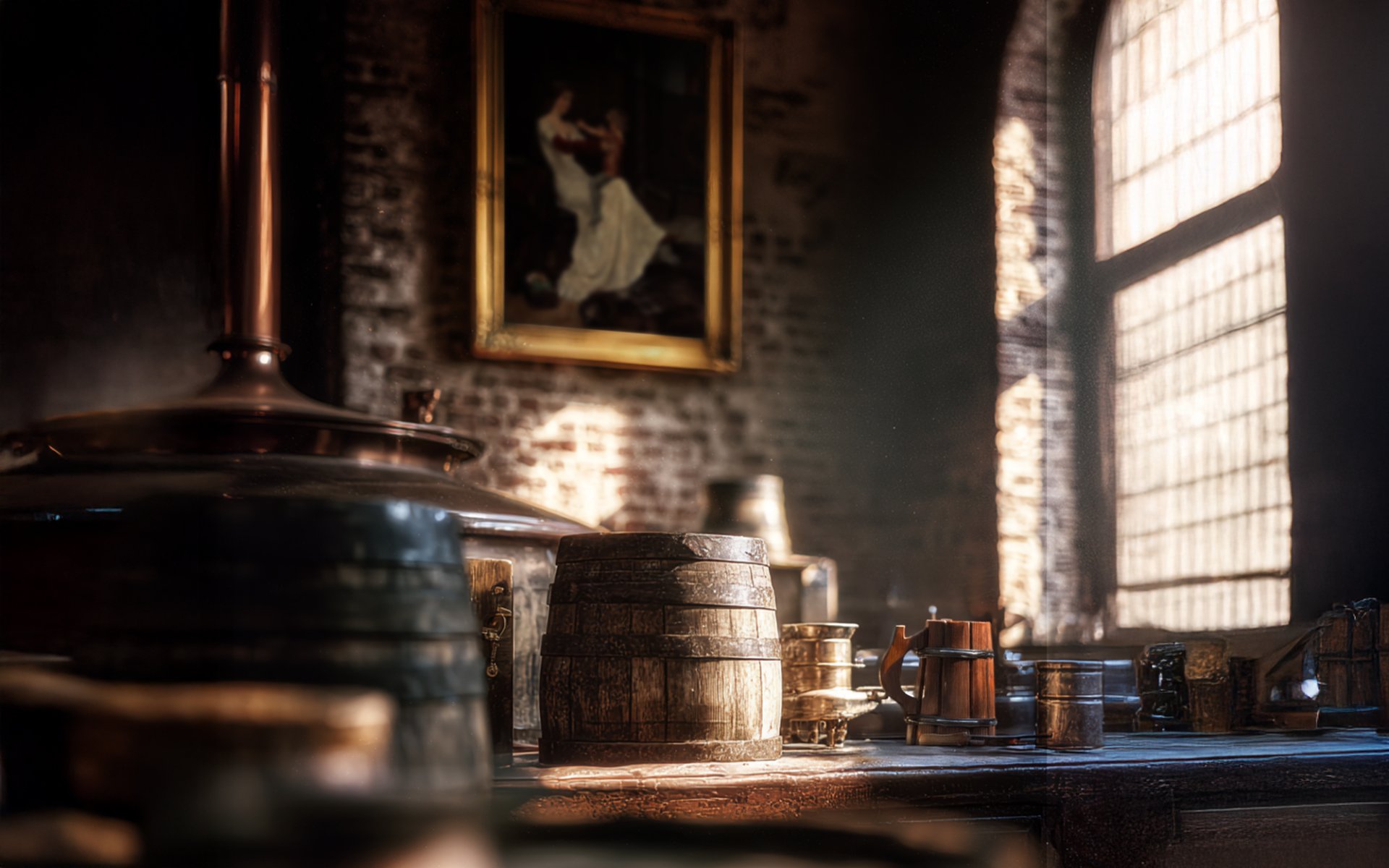
Blanche de Namur: A White Beer Rich in History and Charm
In the diverse world of craft beers, filled with fascinating stories, "Blanche de Namur" stands out as a distinguished Belgian White Beer or Wheat Beer. It is not merely a delicious beverage but a creation crafted to honor the beauty, intelligence, and significant historical role of Queen Blanche de Namur, who lived between 13201363. This beer is produced by the historic "Brasserie du Bocq" brewery, located in Purnode, Wallonia, Belgium, and is widely recognized as one of the finest White Beers globally.
Queen Blanche de Namur: A Beauty Etched in History
Blanche, or Blanka, was the eldest daughter of Count John I of Namur in Wallonia, a family closely connected to Belgian nobility and the French royal family. While her life before marriage is not extensively documented in official records, her story has been passed down through legends that speak of her exceptional beauty, which made her highly sought after by many young men. Count John, her father, wishing to choose the best possible suitor for his daughter, organized a knightly tournament. Among the competitors was King Magnus Eriksson of Norway and Sweden, who was on a journey to find a suitable queen. With his skill and courage, King Magnus won the competition and ultimately married Blanche.
However, what is officially recorded and particularly intriguing is that King Magnus traveled to Namur himself to propose to Blanche, which was highly unusual for that era. This demonstrates the profound commitment and importance he placed on Queen Blanche. Blanche's coronation took place in 1386, and what was even more extraordinary was that she received her own personal seal. The effigy carved on this seal depicted her wearing a cloak, holding a scepter, and notably, without a head covering indicating marriageall of which were special and unconventional symbols for a queen of that time.
Political Role and Cultural Influence of the Queen
After becoming queen, Blanche de Namur played a significant role in the governing history of both Norway and Sweden. She frequently accompanied King Magnus to official events and participated in crucial decisions. Her most prominent role was in the story of the separation of Norway and Sweden, which occurred while her two sons, Eric and Haakon, were still young. It had already been determined that the two princes would divide the rule of Sweden and Norway, respectively. Furthermore, Queen Blanche was appointed as a feudal lord of Tunsberg in Norway and Lödöse in Sweden, demonstrating her power and influence during that era.
Queen Blanche de Namur is one of the most widely known medieval European queens. She is often portrayed as a beautiful queen who had to leave her homeland forever to rule another country. Her life story is intertwined with the political history of two nations, unfolding alongside rumors of her beauty, and profoundly influencing narratives, culture, music, and various arts in Scandinavia. For instance, a famous Swedish children's song, Ride, ride on my knee, the horse is called Blanka, inspired Albert Edelfelt, a Victorian artist, to paint Queen Blanche playing with her son, which became a renowned and memorable artwork.
Brasserie du Bocq: A Brewery of History and Expertise
Blanche de Namur beer is also a cultural product inspired by the impressive story of this queen. The Brasserie du Bocq brewery, the producer of Blanche de Namur, boasts an equally long history. It was first established in 1858 when Martin Belot, a farm owner, began experimenting with brewing beer himself in his barn. Initially, he brewed only during the winter months when agricultural work was less demanding.
Over time, the brewery rapidly expanded due to the discovery of a large water source in Purnode, a crucial factor for producing high-quality beer. This led to Brasserie du Bocq becoming an official brewery and incorporating as a company in 1949. Today, the original brewery building remains a preserved historical heritage site, and beer production continues as a family-run business. Brasserie du Bocq has produced several brands of beer, with its oldest and most well-known being Gauloise Brune, a testament to the brewery's extensive expertise and long-standing experience in beer production.
Blanche de Namur: A World-Class White Beer
In 1988, Brasserie du Bocq launched Blanche de Namur to honor the beauty, gentleness, and wit of Queen Blanche de Namur. This beer is a classic Belgian White Beer or Wheat Beer, characterized by its distinctive features: it is pale and cloudy, sometimes almost white, with abundant and soft, cloud-like foam. It possesses a unique aroma of coriander seeds and orange peel. Blanche de Namur's taste is well-rounded, smooth, and refreshing, with an alcohol content of 4.5% ABV (Alcohol by Volume), making it suitable for any occasion. The charm of Belgian beer combined with its captivating historical narrative quickly made this beer widely popular.
Blanche de Namur's success has been affirmed by numerous global awards between 2008 and 2013. The most significant accolades include "Best Wheat Beer" at the World Beer Award in 2009 and a gold medal for "Best Belgian Style Witbier" at the World Beer Award in 2012. Today, Blanche de Namur is recognized as one of the best White Beers in the world and remains Brasserie du Bocq's most famous beer of all time.
In addition to its classic original flavor, Blanche de Namur is also available in various fruit-flavored beer forms, such as Rosée (raspberry-flavored), Apple, and Lime, catering to consumers who appreciate novelty and refreshment. Furthermore, a popular bitter beer, IPA (India Pale Ale), is also offered under the same brand, showcasing Brasserie du Bocq's innovation and adaptability in presenting a diverse product range while maintaining excellent quality standards and brand uniqueness.