The Art of Chinese Tea Brewing
Last updated: 3 Feb 2026
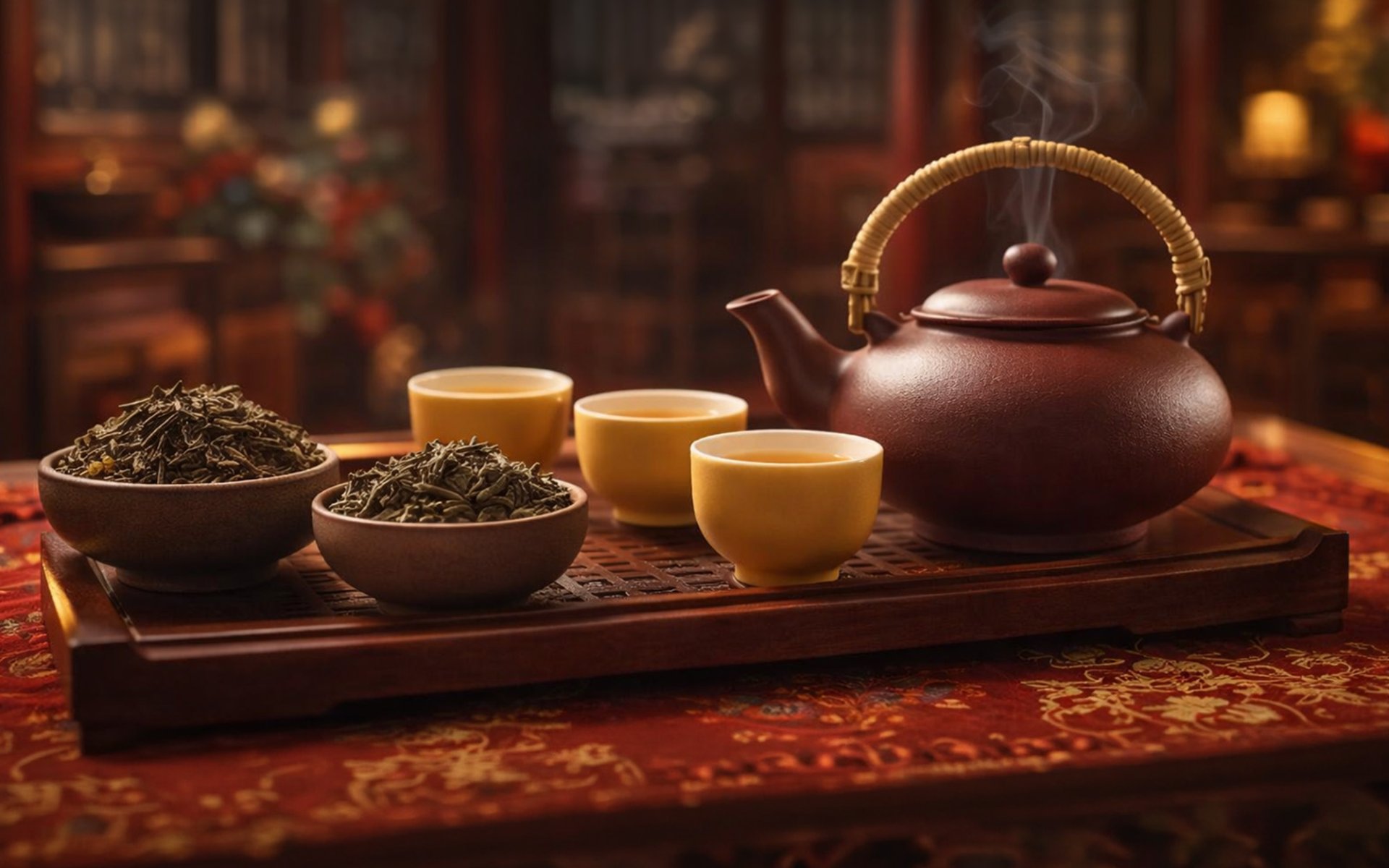
In Chinese culture, tea holds a deeply significant role in rituals and traditions, particularly during Chinese New Year, the most important festival celebrated by Chinese communities worldwide. Offering tea during this festive period is not merely a customary practice, but a profound expression of respect, gratitude, and familial bonds—especially toward elders and ancestors.
The Legendary Origins of Tea in China
China is widely recognized as the birthplace of tea. According to legend, Emperor Shennong (Shen Nong)—a mythical ruler revered as the father of Chinese agriculture—discovered tea around 2700 BCE when tea leaves accidentally fell into boiling water he was preparing to drink. Intrigued by the resulting color and aroma, he tasted the infusion and found it refreshing and pleasant. From that moment on, tea became valued not only as a beverage but also as a medicinal remedy.The Evolution of Tea Culture in China
During the Tang Dynasty (618–907 CE), tea drinking flourished throughout China. The renowned scholar and poet Lu Yu, honored as the “Tea Sage,” authored the world’s first comprehensive book on tea, Cha Jing (The Classic of Tea). This seminal work documented every aspect of tea culture—from cultivation and processing to brewing techniques and the philosophy surrounding tea consumption.Tea as a Refined Art in the Song Dynasty
In the Song Dynasty (960–1279 CE), tea preparation evolved into a refined art form marked by elegance and ritual. Scholars and aristocrats used tea gatherings as occasions for intellectual exchange, poetry, and artistic appreciation. Tea brewing became an integral part of a contemplative lifestyle that emphasized tranquility, mindfulness, and reflection.Gongfu Tea: The Art of Skillful Brewing
In the 20th century—particularly during the 1980s and 1990s—the Chinese tea-brewing method known as Gongfu Tea (功夫茶) gained widespread popularity in China and Taiwan. The term “gongfu” refers to skill, patience, and mastery. This method emphasizes using a high ratio of tea leaves in small vessels, short infusion times, and multiple brews to fully explore the evolving aromas and flavors of tea.Core Principles of Gongfu Tea Brewing
Gongfu tea brewing is guided by three essential principles: focus, respect, and patience. The tea brewer must be fully attentive to each stage of the process—observing the unfurling of tea leaves, the changing color of the liquor, and the aroma released with every infusion. In this way, tea brewing becomes a form of meditation, helping both brewer and drinker achieve calmness and present-moment awareness.Essential Gongfu Tea Utensils
The heart of Gongfu tea lies in the careful selection of brewing tools:- Yixing Zisha Teapot: Crafted from unique clay found in Yixing, these teapots absorb the aroma and essence of tea over time, enhancing flavor with repeated use.
- Tasting Cups: Small cups designed for slow sipping, allowing drinkers to appreciate flavor nuances and lingering aftertaste.
- Sniffer Cups: Tall, narrow cups used to capture and appreciate the tea’s aroma after pouring.
The Gongfu Tea Brewing Process
Each step of Gongfu tea brewing carries symbolic meaning:- Warming the Pot: Rinsing the teapot and cups with hot water to cleanse and stabilize temperature.
- Awakening the Tea: A brief initial rinse of tea leaves, discarded immediately, to remove impurities and gently open the leaves.
- The Pour: Tea is poured evenly into cups using a circular motion—known poetically as “Guan Gong Patrols the City”—to ensure balanced flavor in every cup.
Tea and Chinese New Year Traditions
Chinese New Year is a time of family reunions, ancestral reverence, and the exchange of blessings. On the first day of the festival, younger family members traditionally present sweet tea to elders seated in a place of honor. This act symbolizes respect and filial piety and is considered the first ritual of the New Year.Tea-Offering Etiquette During Chinese New Year
The tea-offering ceremony follows specific etiquette: the presenter wears new clothing, holds the tea cup with both hands, positions the handle toward the recipient’s right side, and offers auspicious greetings. In return, elders bestow red envelopes (hongbao) containing money or small gifts—symbols of good fortune, prosperity, and blessings for the year ahead.Tea as a Symbol of Hospitality During Chinese New Year
Tea is also an essential beverage for welcoming guests during Chinese New Year. A traditional saying emphasizes this hospitality: “When guests arrive, tea must be served.” Tea is often offered alongside auspicious snacks such as nian gao (sticky rice cake), tian cake, and assorted nuts.Popular Teas During Chinese New Year
Certain teas are especially favored during the New Year due to their symbolic meanings and health benefits:- Pu-erh Tea: A fermented tea known for aiding digestion, ideal after festive feasts. It symbolizes longevity and prosperity.
- Tie Guan Yin (Iron Goddess Oolong): Fragrant and lightly sweet, representing compassion and happiness.
- Chinese Black Tea: Rich and warming, often served with sweet dishes, symbolizing harmony and togetherness.
- Sweet Tea: Infused with dried fruits such as figs or raisins, used in elder-offering rituals to symbolize a sweet and auspicious year ahead.
The Importance of Choosing Quality Tea for the New Year
Selecting high-quality tea during Chinese New Year is considered especially important, as it is believed that drinking the finest tea on the first day of the year brings lasting good fortune.Tea Culture in the Modern World
Despite rapid social change, tea culture during Chinese New Year remains deeply rooted and continues to be passed down through generations. Today, traditional practices are often adapted to modern lifestyles while preserving their core values.The Contemporary Revival of Chinese Tea Culture
Gongfu tea brewing has found renewed popularity as a daily mindfulness practice, offering moments of calm amid busy lives. Tea houses and tea rooms have emerged in major cities worldwide as spaces for learning, practice, and cultural exchange. Workshops and courses now introduce the art of Chinese tea brewing to both Chinese and international enthusiasts alike.The Continued Flourishing of Tea Culture Today
Today, high-quality teas from around the world are more accessible than ever—allowing this timeless tradition to continue flourishing in contemporary society. Tags :
Related Content

Getting to Know “Functional Food”: Food Innovation for Health Promotion and Disease Prevention
Nicolas Appert: The French Innovator Known as The Father of Canning