Cold Press VS Centrifugal Juicer
Last updated: 4 Aug 2026
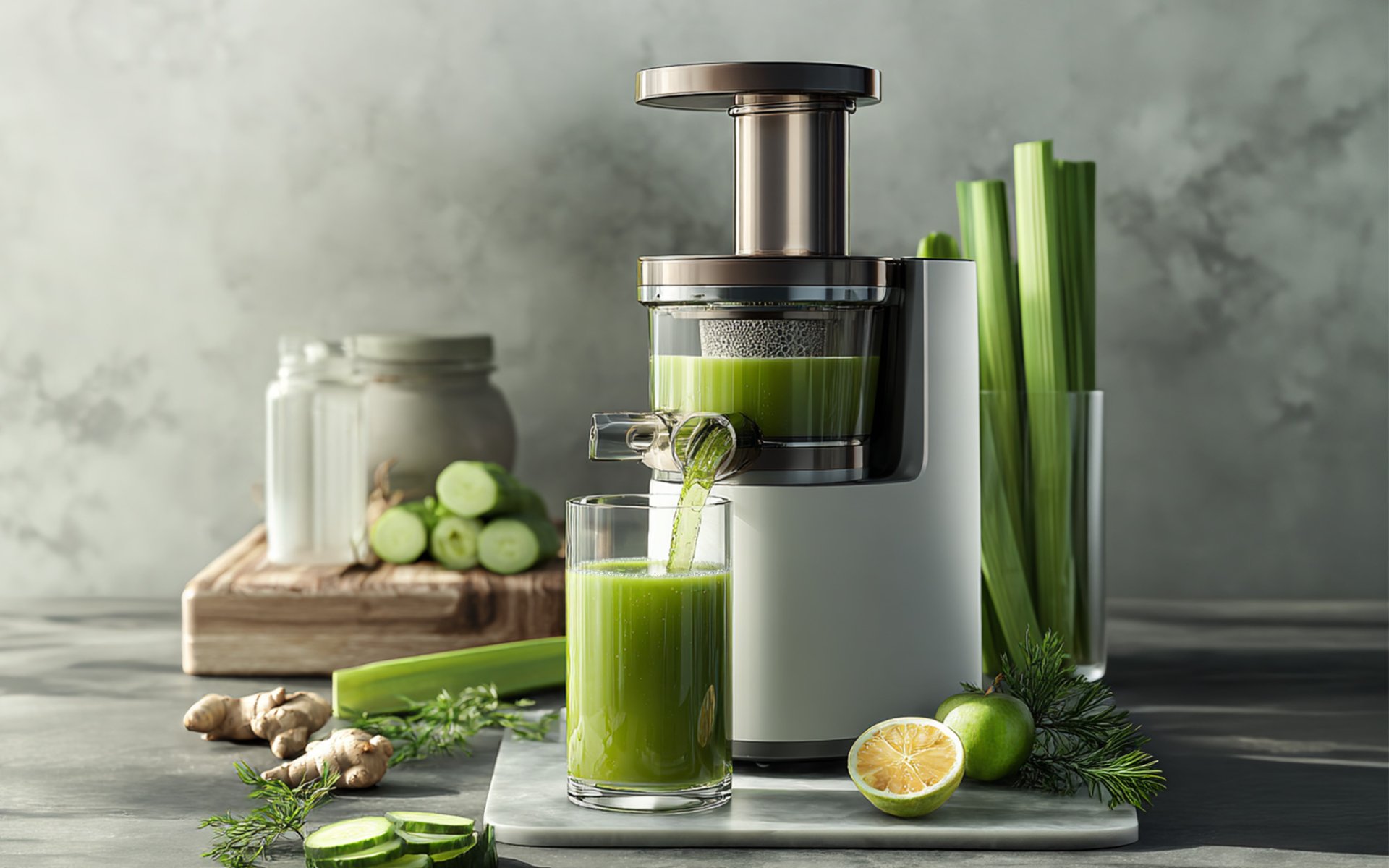
Over the past few years, “cold-pressed juice” has become one of the most popular health beverages among wellness enthusiasts, athletes, and people looking to increase their daily intake of fruits and vegetables. Its growing popularity largely comes from the belief that the cold-press extraction process preserves the nutritional value of ingredients better than conventional blending methods.
Cold pressing is a juice extraction process that uses slow mechanical pressure through a single- or twin-auger system designed to mimic the natural chewing motion of humans. These machines operate at very low speeds, typically around 40–80 revolutions per minute.
The process begins by slowly crushing fruits and vegetables to break down the plant cell walls. The pulp is then pressed through a fine filter to extract the juice. Because the entire process relies on high pressure but low speed, it generates very little heat and significantly reduces the amount of air introduced into the juice.
This slow extraction method helps preserve the natural color, aroma, flavor, and nutritional compounds of fruits and vegetables more effectively. In addition, cold-pressed juice often has a richer texture and separates more slowly compared to juice produced through high-speed blending or centrifugal extraction.
In contrast, conventional blenders and centrifugal juicers operate using high-speed metal blades combined with a spinning filter basket. These systems process fruits and vegetables at extremely high speeds, typically ranging from 6,000 to 14,000 revolutions per minute.
As the ingredients are rapidly shredded into tiny particles, centrifugal force separates the juice from the pulp through small filter holes. Although this method is fast and convenient, the extremely high speed can generate friction, heat buildup, and increased exposure to air, all of which accelerate oxidation.
Many vitamins and nutrients are highly sensitive to heat and oxygen, particularly vitamin C, folate, natural enzymes, and antioxidant compounds such as polyphenols. When exposed to heat, air, or light for extended periods, these nutrients begin to break down, reducing the overall nutritional quality of the juice.
One of the major reasons cold-pressed juice has gained widespread popularity is its longer shelf life compared to juice made with centrifugal extractors. When stored properly at low temperatures, cold-pressed juice can generally remain fresh in the refrigerator for approximately 24–72 hours, and in some cases up to five days if hygienic bottling and storage conditions are carefully maintained.
On the other hand, juice made with centrifugal juicers is usually best consumed immediately or within a few hours after preparation, as its color, flavor, aroma, and nutritional value tend to deteriorate much more quickly.
Cold pressing is a juice extraction process that uses slow mechanical pressure through a single- or twin-auger system designed to mimic the natural chewing motion of humans. These machines operate at very low speeds, typically around 40–80 revolutions per minute.
The process begins by slowly crushing fruits and vegetables to break down the plant cell walls. The pulp is then pressed through a fine filter to extract the juice. Because the entire process relies on high pressure but low speed, it generates very little heat and significantly reduces the amount of air introduced into the juice.
This slow extraction method helps preserve the natural color, aroma, flavor, and nutritional compounds of fruits and vegetables more effectively. In addition, cold-pressed juice often has a richer texture and separates more slowly compared to juice produced through high-speed blending or centrifugal extraction.
In contrast, conventional blenders and centrifugal juicers operate using high-speed metal blades combined with a spinning filter basket. These systems process fruits and vegetables at extremely high speeds, typically ranging from 6,000 to 14,000 revolutions per minute.
As the ingredients are rapidly shredded into tiny particles, centrifugal force separates the juice from the pulp through small filter holes. Although this method is fast and convenient, the extremely high speed can generate friction, heat buildup, and increased exposure to air, all of which accelerate oxidation.
Many vitamins and nutrients are highly sensitive to heat and oxygen, particularly vitamin C, folate, natural enzymes, and antioxidant compounds such as polyphenols. When exposed to heat, air, or light for extended periods, these nutrients begin to break down, reducing the overall nutritional quality of the juice.
One of the major reasons cold-pressed juice has gained widespread popularity is its longer shelf life compared to juice made with centrifugal extractors. When stored properly at low temperatures, cold-pressed juice can generally remain fresh in the refrigerator for approximately 24–72 hours, and in some cases up to five days if hygienic bottling and storage conditions are carefully maintained.
On the other hand, juice made with centrifugal juicers is usually best consumed immediately or within a few hours after preparation, as its color, flavor, aroma, and nutritional value tend to deteriorate much more quickly.
Tags :
Related Content

Discovering “Masala Chai” — From Ancient Ayurvedic Remedy to the Iconic Beverage of the Indian Subcontinent