Cosmic Crisp
Last updated: 29 Jun 2026
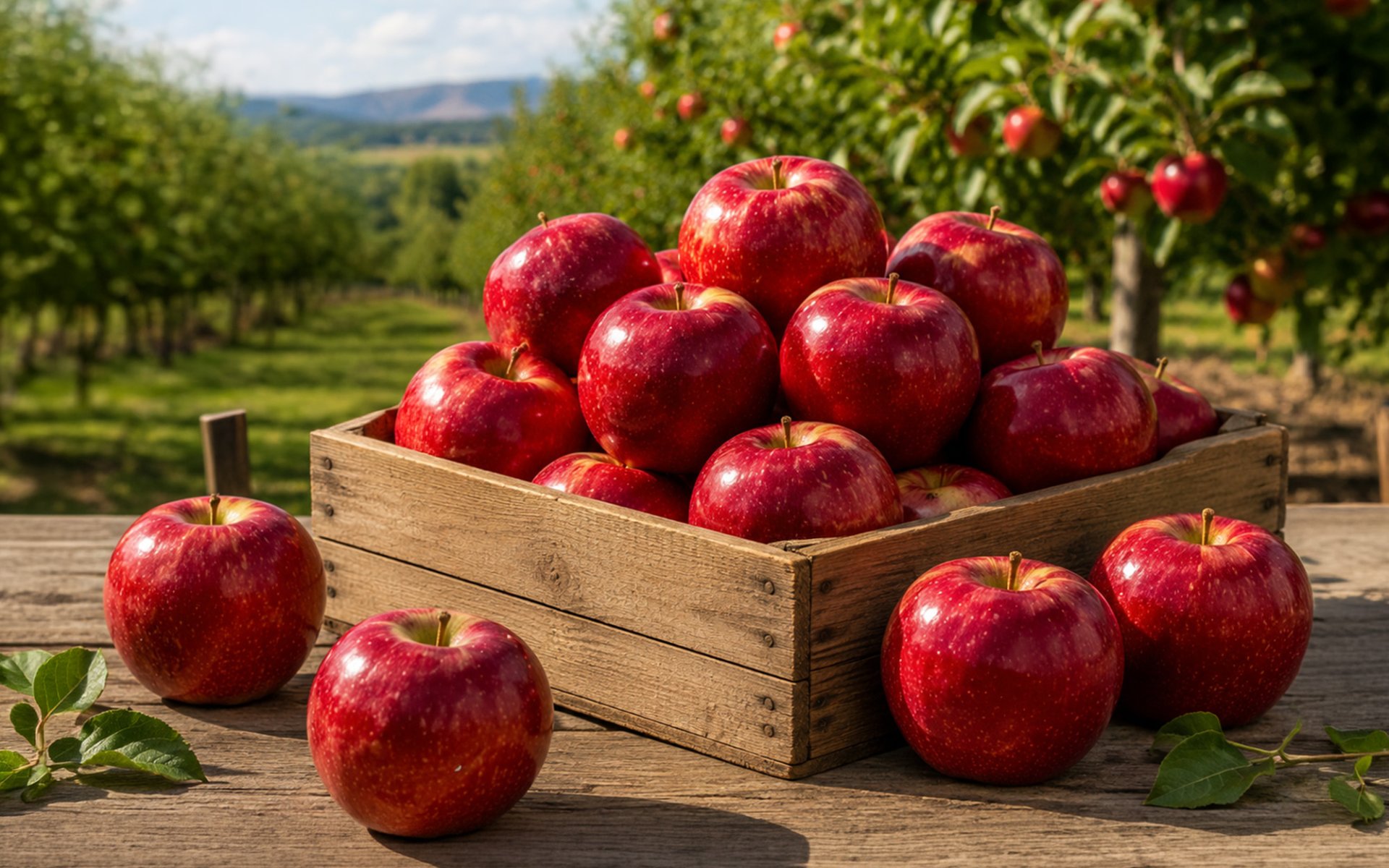
Over the past several decades, the global apple industry has continuously developed new varieties to meet changing consumer preferences. Among the most remarkable introductions of the 21st century is Cosmic Crisp®, an apple often referred to as the “Apple of Big Dreams.” This nickname reflects the more than 20 years of scientific research and development behind the variety, making it one of the largest apple breeding projects in the history of the United States.
Although Cosmic Crisp® was commercially launched in 2019, its development began in the late 20th century. Researchers set out to create an apple that combined the finest characteristics of several leading varieties into a single fruit.
Dr. Bruce Barritt, a horticulturist at Washington State University (WSU), recognized this challenge. He famously compared the situation to "putting all your eggs in one basket." Concerned that changing consumer preferences could threaten the industry's future, he launched a breeding program with support from Washington State University and local apple growers. The goal was to develop an apple that offered exceptional flavor, crisp texture, juiciness, long storage life, and excellent performance in Washington's growing conditions.
Years later, Dr. Barritt's concerns proved well founded. As consumers increasingly prioritized flavor and texture over appearance, the popularity of Red Delicious steadily declined. Between 2017 and 2018, production of Red Delicious in Washington fell by approximately 11%, validating the vision he had established decades earlier.
In 1997, Dr. Barritt selected two outstanding parent varieties:
Honeycrisp, renowned for its extraordinary crispness, juiciness, and balanced sweet-tart flavor, but challenging to grow and susceptible to disease.
Enterprise, recognized for its beautiful deep-red skin, excellent disease resistance, and exceptional storage capability.
Researchers transferred pollen from Honeycrisp to the flowers of Enterprise. The following year, thousands of hybrid seeds were germinated in greenhouses, producing countless seedlings. Each seedling represented a potential breakthrough. After years of observation and evaluation, only one demonstrated the exceptional combination of flavor, crispness, appearance, and disease resistance the researchers were seeking.
That remarkable seedling was assigned the scientific designation WA 38.
Unlike annual crops, apple trees take several years before producing fruit. Researchers had to evaluate each candidate over multiple growing seasons, carefully assessing sweetness, acidity, texture, firmness, storage performance, productivity, disease resistance, and post-harvest quality. Trees that failed to meet the strict criteria were eliminated, while only the very best continued through years of testing at multiple trial sites before being approved for commercial cultivation.
When Dr. Bruce Barritt retired in 2008, Dr. Kate Evans assumed leadership of WSU's apple breeding program and continued guiding the project toward commercialization.
Washington apple growers also played a vital role. Many allowed researchers to use their orchards free of charge for field trials and contributed irrigation systems, infrastructure, and orchard management. The development of Cosmic Crisp® became a true partnership between academia and the agricultural community.
During taste-testing sessions, participants noticed the tiny golden dots scattered across the apple's dark red skin. Botanically, these natural spots are called lenticels, which allow gas exchange in the fruit. Some participants remarked that the glowing lenticels resembled stars shining across the dark night sky.
This observation inspired the word "Cosmic," evoking the beauty of the universe. The word "Crisp" was added both to honor its Honeycrisp parentage and to highlight the apple's remarkably crunchy texture.
Together, Cosmic Crisp® became a memorable name that perfectly captures the variety's unique identity.
The launch was supported by a US$10 million marketing campaign, featuring nationwide promotions—including a giant Cosmic Crisp® hot-air balloon that traveled across the country to introduce the new apple to consumers.
To protect Washington growers who had invested heavily in the project, Washington State and WSU granted exclusive commercial growing rights to Washington apple growers for the first 10 years, through 2027.
Even before the first apples reached supermarket shelves, Washington growers had already planted more than 12 million Cosmic Crisp® trees, demonstrating extraordinary confidence in the variety.
During its first commercial season, more than 450,000 boxes (40 pounds each) were sold. Within just a few years, production increased to several million boxes annually, making Cosmic Crisp® one of the fastest-growing premium apple varieties in the United States.
Although Cosmic Crisp® was commercially launched in 2019, its development began in the late 20th century. Researchers set out to create an apple that combined the finest characteristics of several leading varieties into a single fruit.
The Beginning of an Ambitious Vision
The story of Cosmic Crisp® began in Washington State, the largest apple-producing region in the United States. During the 1980s, Red Delicious accounted for nearly 70% of the state's apple production. While the variety enjoyed tremendous commercial success, relying so heavily on a single apple posed a significant long-term risk to the industry.Dr. Bruce Barritt, a horticulturist at Washington State University (WSU), recognized this challenge. He famously compared the situation to "putting all your eggs in one basket." Concerned that changing consumer preferences could threaten the industry's future, he launched a breeding program with support from Washington State University and local apple growers. The goal was to develop an apple that offered exceptional flavor, crisp texture, juiciness, long storage life, and excellent performance in Washington's growing conditions.
Years later, Dr. Barritt's concerns proved well founded. As consumers increasingly prioritized flavor and texture over appearance, the popularity of Red Delicious steadily declined. Between 2017 and 2018, production of Red Delicious in Washington fell by approximately 11%, validating the vision he had established decades earlier.
More Than Two Decades of Research
Developing a new apple variety is a lengthy process requiring patience, scientific expertise, and a deep understanding of horticulture. Rather than using genetic modification, the WSU research team employed classical breeding, a traditional cross-pollination method that is entirely non-GMO.In 1997, Dr. Barritt selected two outstanding parent varieties:
Honeycrisp, renowned for its extraordinary crispness, juiciness, and balanced sweet-tart flavor, but challenging to grow and susceptible to disease.
Enterprise, recognized for its beautiful deep-red skin, excellent disease resistance, and exceptional storage capability.
Researchers transferred pollen from Honeycrisp to the flowers of Enterprise. The following year, thousands of hybrid seeds were germinated in greenhouses, producing countless seedlings. Each seedling represented a potential breakthrough. After years of observation and evaluation, only one demonstrated the exceptional combination of flavor, crispness, appearance, and disease resistance the researchers were seeking.
That remarkable seedling was assigned the scientific designation WA 38.
Why Did It Take Over 20 Years?
Many people wonder why developing a single apple variety required more than two decades.Unlike annual crops, apple trees take several years before producing fruit. Researchers had to evaluate each candidate over multiple growing seasons, carefully assessing sweetness, acidity, texture, firmness, storage performance, productivity, disease resistance, and post-harvest quality. Trees that failed to meet the strict criteria were eliminated, while only the very best continued through years of testing at multiple trial sites before being approved for commercial cultivation.
When Dr. Bruce Barritt retired in 2008, Dr. Kate Evans assumed leadership of WSU's apple breeding program and continued guiding the project toward commercialization.
Washington apple growers also played a vital role. Many allowed researchers to use their orchards free of charge for field trials and contributed irrigation systems, infrastructure, and orchard management. The development of Cosmic Crisp® became a true partnership between academia and the agricultural community.
The Origin of the Name "Cosmic Crisp®"
As WA 38 approached commercial release, selecting the right name became an important marketing decision. Washington State University conducted numerous consumer focus groups throughout the state.During taste-testing sessions, participants noticed the tiny golden dots scattered across the apple's dark red skin. Botanically, these natural spots are called lenticels, which allow gas exchange in the fruit. Some participants remarked that the glowing lenticels resembled stars shining across the dark night sky.
This observation inspired the word "Cosmic," evoking the beauty of the universe. The word "Crisp" was added both to honor its Honeycrisp parentage and to highlight the apple's remarkably crunchy texture.
Together, Cosmic Crisp® became a memorable name that perfectly captures the variety's unique identity.
Outstanding Characteristics
The success of Cosmic Crisp® extends far beyond its memorable name. It is distinguished by several exceptional qualities:Balanced Flavor
It offers an excellent balance of sweetness and acidity, creating a refreshing flavor without being overly sweet.Exceptional Texture
The flesh is remarkably firm, incredibly crisp, and exceptionally juicy, producing a satisfying crunch with every bite.Slow Browning
Cosmic Crisp® has a naturally low rate of oxidation, meaning sliced apples remain fresh-looking much longer before turning brown. This makes them ideal for salads, fruit platters, and lunch boxes.Outstanding Storage Life
The apple maintains its crisp texture significantly longer than many other varieties. Under controlled cold storage, it can retain excellent quality for up to one year.Excellent for Baking
Its naturally high sugar content and firm flesh allow it to maintain its shape during baking, making it an excellent choice for desserts such as apple pie while requiring less added sugar.A Historic Commercial Launch
After more than two decades of research and testing, Cosmic Crisp® officially entered the commercial market in 2019 in what became one of the largest fruit launches in U.S. agricultural history.The launch was supported by a US$10 million marketing campaign, featuring nationwide promotions—including a giant Cosmic Crisp® hot-air balloon that traveled across the country to introduce the new apple to consumers.
To protect Washington growers who had invested heavily in the project, Washington State and WSU granted exclusive commercial growing rights to Washington apple growers for the first 10 years, through 2027.
Even before the first apples reached supermarket shelves, Washington growers had already planted more than 12 million Cosmic Crisp® trees, demonstrating extraordinary confidence in the variety.
During its first commercial season, more than 450,000 boxes (40 pounds each) were sold. Within just a few years, production increased to several million boxes annually, making Cosmic Crisp® one of the fastest-growing premium apple varieties in the United States.
Tags :
Related Content


Get to Know Northwest Cherries: A Renowned Fruit from the Northwestern United States