BioOrto
Last updated: 16 Jul 2026
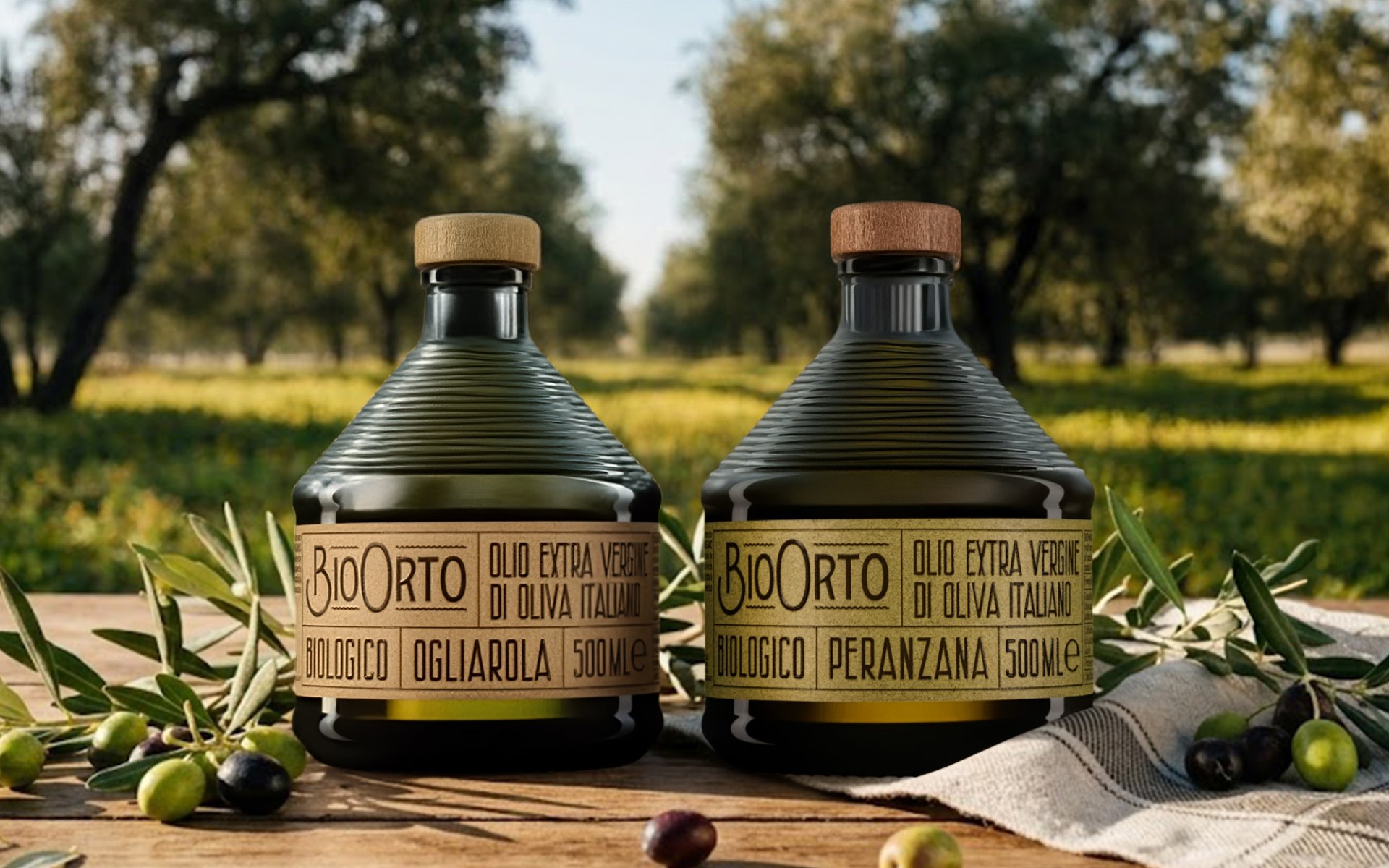
Amid the growing global awareness of organic agriculture since the late twentieth century, Italy has emerged as one of Europe's leading producers of organic food. Among the country's many producers, BioOrto has earned widespread recognition for its unwavering commitment to organic farming while consistently maintaining exceptional product quality.
The story of BioOrto began with Julia and Pietro Passalacqua, a husband-and-wife team who migrated from the Abruzzo region to the Tavoliere delle Puglie plain in Puglia, one of Italy's most fertile agricultural regions, around the 1950s.
Initially, the couple practiced transhumance, the traditional pastoral lifestyle of communities from the Abruzzo mountains, moving their herds seasonally between mountainous areas and lowland plains in search of fresh pasture and water. Their migration made them one of the first families to establish permanent roots in the region. Although transhumance had been passed down through generations as a cherished cultural tradition, it was also an occupation marked by hardship and uncertainty, heavily influenced by changing weather conditions and economic circumstances. Seeking greater stability and a more secure future for the next generation, the family gradually shifted their focus toward agriculture.
This area is renowned for its fertile soil, Mediterranean climate, and remarkable biodiversity. It also benefits from constant sea breezes and natural mineral water that filters through the limestone formations of the Gargano Promontory, nourishing the land year-round. These exceptional natural conditions have long made the region one of the most suitable areas in Puglia for cultivating premium fruits and vegetables, particularly through organic farming methods.
Nino's decision proved to be a defining milestone in the family's history. Much of the land he acquired and developed during this period continues to serve as BioOrto's primary source of organically grown fruits and vegetables today.
In 1985, the Passalacqua family began cultivating organic tomatoes for the production of tomato sauce. This was a pioneering decision at a time when organic agriculture had yet to gain widespread popularity. Choosing this path from the very beginning reflected the family's vision of producing food that is safe for consumers while preserving the environment and maintaining soil fertility for future generations. This philosophy has since become the cornerstone of BioOrto's identity and continues to guide the company today.
A year later, in 2003, the company was officially incorporated under the name BioOrto. The name combines "Bio," representing organic agriculture, with the Italian word "Orto," meaning vegetable garden. It perfectly reflects the brand's deep connection to the land, natural cultivation, and its long-standing commitment to producing premium organic food.
Another major milestone came in 2008, when the family officially established BioOrto Società Cooperativa Agricola, an agricultural cooperative led by Nino Passalacqua together with his three children. His daughter Giulia, alongside her husband Mirko Conte, took responsibility for marketing and business development, while Titziano and Nino Junior assumed key management roles within the company.
This successful transition from one generation to the next highlights one of BioOrto's defining characteristics: despite its growth into one of Italy's leading organic food producers, it has remained a family-owned and family-managed business. Each family member contributes according to their expertise, overseeing cultivation, processing, quality control, marketing, and international expansion. This collaborative approach has enabled BioOrto to maintain a healthy balance between commercial growth and the family values that have shaped the company since its inception.
In 2016, the company built its own olive mill equipped with state-of-the-art extraction technology. This investment allowed BioOrto to control every stage of production—from harvesting and selecting olives to rapid cold extraction—preserving the oil's freshness, aroma, and superior quality.
BioOrto's olive groves are home to trees that range from several decades to several centuries old, representing the rich agricultural heritage of the Puglia region. The company emphasizes Single Estate production, using olives harvested exclusively from its own estates to preserve the distinctive characteristics of each growing area. It also produces Monocultivar olive oils made from individual olive varieties, particularly Peranzana and Ogliarola, two renowned native cultivars of Puglia.
Olives are harvested at their optimal stage of ripeness before being transported to the mill within a very short period for cold extraction, a process carefully controlled to maintain low temperatures in order to preserve natural antioxidants, nutritional value, and aromatic compounds. The result is an extra virgin olive oil with exceptionally low acidity, rich in polyphenols, offering vibrant aromas of fresh fruit and newly cut grass that beautifully express the unique terroir of Puglia.
By 2018, BioOrto had embarked on an ambitious international expansion strategy. Today, the brand's products are distributed in numerous countries worldwide. According to Italian agricultural industry sources, more than 80% of the company's production is exported, with key markets including Switzerland, Germany, the United Kingdom, and Northern Europe.
Its distribution network encompasses modern retail chains, specialized organic food stores, hotels, restaurants, online platforms, and direct-to-consumer sales channels, reflecting the growing global demand for premium organic food.
The farms produce a diverse range of seasonal organic crops, including cauliflower, broccoli, fennel, celery, radicchio, and Romanesco cauliflower. During the summer season, BioOrto also cultivates zucchini, cherry tomatoes, melons, miniature watermelons, and table grapes. This remarkable diversity reflects the company's commitment to organic farming practices that respect seasonal cycles and local ecosystems—principles that have remained at the heart of BioOrto since its foundation.
Today, BioOrto holds numerous internationally recognized certifications, including EU Organic, USDA Organic (for the United States market), JAS Organic (for Japan), as well as internationally recognized food safety certifications such as BRCGS and IFS, reaffirming the company's commitment to producing safe, sustainable, and premium-quality organic food for consumers around the world.
The story of BioOrto began with Julia and Pietro Passalacqua, a husband-and-wife team who migrated from the Abruzzo region to the Tavoliere delle Puglie plain in Puglia, one of Italy's most fertile agricultural regions, around the 1950s.
Initially, the couple practiced transhumance, the traditional pastoral lifestyle of communities from the Abruzzo mountains, moving their herds seasonally between mountainous areas and lowland plains in search of fresh pasture and water. Their migration made them one of the first families to establish permanent roots in the region. Although transhumance had been passed down through generations as a cherished cultural tradition, it was also an occupation marked by hardship and uncertainty, heavily influenced by changing weather conditions and economic circumstances. Seeking greater stability and a more secure future for the next generation, the family gradually shifted their focus toward agriculture.
Deep Roots in Puglia and the Shift to Organic Farming
During the 1980s, Nino Passalacqua, the son of Julia and Pietro, became actively involved in the family's farming operations. He subsequently acquired farmland near the foothills of Gargano National Park.This area is renowned for its fertile soil, Mediterranean climate, and remarkable biodiversity. It also benefits from constant sea breezes and natural mineral water that filters through the limestone formations of the Gargano Promontory, nourishing the land year-round. These exceptional natural conditions have long made the region one of the most suitable areas in Puglia for cultivating premium fruits and vegetables, particularly through organic farming methods.
Nino's decision proved to be a defining milestone in the family's history. Much of the land he acquired and developed during this period continues to serve as BioOrto's primary source of organically grown fruits and vegetables today.
In 1985, the Passalacqua family began cultivating organic tomatoes for the production of tomato sauce. This was a pioneering decision at a time when organic agriculture had yet to gain widespread popularity. Choosing this path from the very beginning reflected the family's vision of producing food that is safe for consumers while preserving the environment and maintaining soil fertility for future generations. This philosophy has since become the cornerstone of BioOrto's identity and continues to guide the company today.
The Birth of the BioOrto Brand and Farm-to-Table Philosophy
In 2002, the Passalacqua family established their first processing and packaging facility for organic fruits and vegetables in Apricena, located in the Province of Foggia. Owning their own production facility enabled them to oversee every stage of production—from cultivation and harvesting to processing, packaging, and distribution—following a true Farm-to-Table philosophy focused on traceability and quality control.A year later, in 2003, the company was officially incorporated under the name BioOrto. The name combines "Bio," representing organic agriculture, with the Italian word "Orto," meaning vegetable garden. It perfectly reflects the brand's deep connection to the land, natural cultivation, and its long-standing commitment to producing premium organic food.
Another major milestone came in 2008, when the family officially established BioOrto Società Cooperativa Agricola, an agricultural cooperative led by Nino Passalacqua together with his three children. His daughter Giulia, alongside her husband Mirko Conte, took responsibility for marketing and business development, while Titziano and Nino Junior assumed key management roles within the company.
This successful transition from one generation to the next highlights one of BioOrto's defining characteristics: despite its growth into one of Italy's leading organic food producers, it has remained a family-owned and family-managed business. Each family member contributes according to their expertise, overseeing cultivation, processing, quality control, marketing, and international expansion. This collaborative approach has enabled BioOrto to maintain a healthy balance between commercial growth and the family values that have shaped the company since its inception.
Expanding into Premium Extra Virgin Olive Oil
Having established a strong foundation in organic fruits, vegetables, and processed tomato products, BioOrto expanded into the production of extra virgin olive oil.In 2016, the company built its own olive mill equipped with state-of-the-art extraction technology. This investment allowed BioOrto to control every stage of production—from harvesting and selecting olives to rapid cold extraction—preserving the oil's freshness, aroma, and superior quality.
BioOrto's olive groves are home to trees that range from several decades to several centuries old, representing the rich agricultural heritage of the Puglia region. The company emphasizes Single Estate production, using olives harvested exclusively from its own estates to preserve the distinctive characteristics of each growing area. It also produces Monocultivar olive oils made from individual olive varieties, particularly Peranzana and Ogliarola, two renowned native cultivars of Puglia.
Olives are harvested at their optimal stage of ripeness before being transported to the mill within a very short period for cold extraction, a process carefully controlled to maintain low temperatures in order to preserve natural antioxidants, nutritional value, and aromatic compounds. The result is an extra virgin olive oil with exceptionally low acidity, rich in polyphenols, offering vibrant aromas of fresh fruit and newly cut grass that beautifully express the unique terroir of Puglia.
International Expansion and Global Reach
In 2017, BioOrto further expanded its production capabilities by constructing a new packaging facility dedicated to processed tomatoes, vegetable creams, and other organic products. The facility has since become the company's primary production hub, enabling it to meet increasing demand from both domestic and international markets.By 2018, BioOrto had embarked on an ambitious international expansion strategy. Today, the brand's products are distributed in numerous countries worldwide. According to Italian agricultural industry sources, more than 80% of the company's production is exported, with key markets including Switzerland, Germany, the United Kingdom, and Northern Europe.
Its distribution network encompasses modern retail chains, specialized organic food stores, hotels, restaurants, online platforms, and direct-to-consumer sales channels, reflecting the growing global demand for premium organic food.
Commitment to Sustainability and a Circular Economy
What distinguishes BioOrto from many other organic producers is its ability to combine traditional agricultural knowledge with modern innovation while embracing a circular farming economy.- Renewable Energy: BioOrto's factories and packaging facilities are powered by rooftop solar panels, significantly reducing carbon dioxide emissions and lowering the company's environmental footprint.
- Efficient Water Management: Recognizing that water is a precious resource in southern Italy, BioOrto employs advanced computer-controlled drip irrigation systems that deliver precise amounts of water to crops, minimizing waste while maximizing efficiency.
- Zero-Waste Philosophy: Plant residues and organic by-products generated during production are composted and returned to the fields as natural fertilizer, restoring nutrients to the soil without relying on chemical fertilizers.
- Biodiversity Conservation: The company practices crop rotation and preserves small woodland areas surrounding its farms to provide habitats for beneficial insects, birds, and wildlife. These ecosystems help maintain ecological balance while naturally controlling agricultural pests.
Seasonal Diversity and Global Organic Certifications
Today, the Passalacqua family owns more than 500 hectares (approximately 3,125 rai) of farmland across northern Puglia, encompassing areas surrounding Gargano National Park and the fertile Tavoliere delle Puglie plain.The farms produce a diverse range of seasonal organic crops, including cauliflower, broccoli, fennel, celery, radicchio, and Romanesco cauliflower. During the summer season, BioOrto also cultivates zucchini, cherry tomatoes, melons, miniature watermelons, and table grapes. This remarkable diversity reflects the company's commitment to organic farming practices that respect seasonal cycles and local ecosystems—principles that have remained at the heart of BioOrto since its foundation.
Today, BioOrto holds numerous internationally recognized certifications, including EU Organic, USDA Organic (for the United States market), JAS Organic (for Japan), as well as internationally recognized food safety certifications such as BRCGS and IFS, reaffirming the company's commitment to producing safe, sustainable, and premium-quality organic food for consumers around the world.
Tags :
Related Content


Getting to Know “Kamada Soy Sauce” — A Historic Japanese Seasoned Soy Sauce Brand with Over 230 Years of Heritage