Marie Rose Sauce
Last updated: 18 Aug 2026
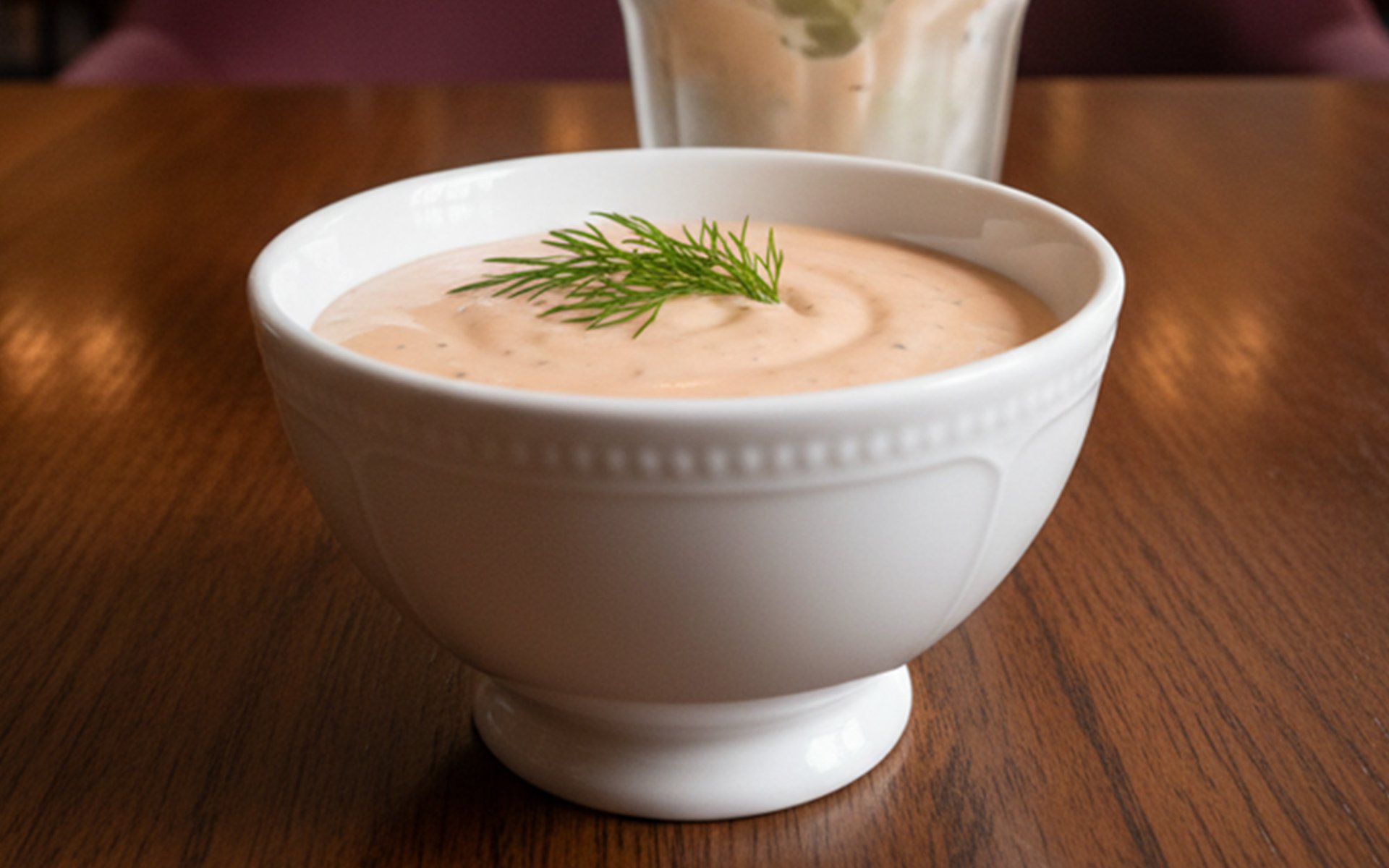
Marie Rose Sauce, also known as cocktail sauce in Britain, is a classic British condiment with a thick, creamy texture and a distinctive pale pink-orange colour. It has a mildly sweet and tangy flavour and is traditionally made by combining mayonnaise with tomato ketchup, then seasoning it with Worcestershire sauce, lemon juice, and black pepper. Some recipes may also include Tabasco sauce for additional heat and intensity.
Marie Rose Sauce is generally served chilled and is particularly associated with seafood dishes, especially prawn cocktail. It can also be served as a dipping sauce for fried foods or spread in sandwiches to add richness, flavour, and a creamy balance to the dish.
By the 1950s, Shrimp Cocktail had become a highly popular food tradition in the United States, particularly in Las Vegas. Many hotel restaurants offered the dish at relatively affordable prices, with some early versions reportedly selling for around 50 cents. Shrimp Cocktail subsequently became one of the dishes associated with the rise of cocktail-style seafood and eventually spread to other countries across the Western world.
Although it has been suggested that American cocktail sauce may have influenced the development of Marie Rose Sauce, with the British version perhaps being adapted to suit local tastes, there is currently insufficient historical evidence to establish a direct connection between the two. From the perspective of food history, the two sauces are therefore best considered separately in terms of their origins and development, despite their similar role as accompaniments to seafood.
Constance Spry’s recipe is an important written reference demonstrating that the basic idea of combining mayonnaise and tomatoes existed before the name Marie Rose became widely associated with this type of sauce during the 1960s. Although the mixture was not yet specifically called Marie Rose, the recipe provides valuable evidence that the concept did not suddenly emerge during the 1960s but had already undergone experimentation and development several years earlier.
Available historical evidence indicates that the name “Marie Rose” appeared in Cradock’s work around 1967, making it an important reference in the history of the sauce and its name. However, crediting Cradock as the direct inventor of Marie Rose Sauce remains a matter of debate, as recipes with similar characteristics had appeared earlier, including Constance Spry’s “Tomato Ice” recipe from 1956.
Nevertheless, the popularity of Cradock’s television programmes and cookbooks helped bring both the recipe and the name Marie Rose to a much wider audience. The sauce gradually became familiar to British consumers, particularly when served with Shrimp Cocktail or Prawn Cocktail, which became one of the appetisers most closely associated with British dining culture during the 1960s and 1970s.
Marie Rose Sauce is generally served chilled and is particularly associated with seafood dishes, especially prawn cocktail. It can also be served as a dipping sauce for fried foods or spread in sandwiches to add richness, flavour, and a creamy balance to the dish.
The American Roots of the Seafood Cocktail
Before Marie Rose Sauce developed into the form familiar today, the idea of serving seafood with a tangy, slightly sweet sauce as an appetiser had already emerged in the United States during the late 19th century. During this period, oysters were often served with strongly flavoured sauces intended to stimulate the appetite. At the same time, the practice of serving seafood in tall vessels or glasses resembling cocktail glasses became increasingly popular.By the 1950s, Shrimp Cocktail had become a highly popular food tradition in the United States, particularly in Las Vegas. Many hotel restaurants offered the dish at relatively affordable prices, with some early versions reportedly selling for around 50 cents. Shrimp Cocktail subsequently became one of the dishes associated with the rise of cocktail-style seafood and eventually spread to other countries across the Western world.
British Creaminess vs. American Tang: What’s the Difference?
However, the sauce traditionally served with seafood cocktails in the United States differs significantly from British Marie Rose Sauce. American cocktail sauce is primarily tomato-based and commonly contains horseradish, giving it a sharper and more pronounced heat. Marie Rose Sauce, by contrast, is mayonnaise-based, resulting in a richer, creamier texture and a milder flavour.Although it has been suggested that American cocktail sauce may have influenced the development of Marie Rose Sauce, with the British version perhaps being adapted to suit local tastes, there is currently insufficient historical evidence to establish a direct connection between the two. From the perspective of food history, the two sauces are therefore best considered separately in terms of their origins and development, despite their similar role as accompaniments to seafood.
Before Marie Rose: Constance Spry’s “Tomato Ice”
Before the name “Marie Rose” became widely recognised, the British cookbook writer and renowned floral designer Constance Spry published a recipe with characteristics similar to the sauce in one of her books in 1956. The recipe was called “Tomato Ice” and combined mayonnaise with seasoned tomato pulp, creating a mildly sweet mixture that was chilled and served as an accompaniment to prawn cocktail.Constance Spry’s recipe is an important written reference demonstrating that the basic idea of combining mayonnaise and tomatoes existed before the name Marie Rose became widely associated with this type of sauce during the 1960s. Although the mixture was not yet specifically called Marie Rose, the recipe provides valuable evidence that the concept did not suddenly emerge during the 1960s but had already undergone experimentation and development several years earlier.
Fanny Cradock and the Popularisation of the Sauce
The person most widely credited with helping to popularise Marie Rose Sauce was Fanny Cradock, a British television cook and influential food writer who played an important role in shaping British food culture in the decades following the Second World War. Particularly influential during the 1950s through the 1970s, Cradock was known for her distinctive personality and unconventional presentation style. Through her television programmes and cookbooks, she helped bring new recipes and culinary ideas into British households on a large scale.Available historical evidence indicates that the name “Marie Rose” appeared in Cradock’s work around 1967, making it an important reference in the history of the sauce and its name. However, crediting Cradock as the direct inventor of Marie Rose Sauce remains a matter of debate, as recipes with similar characteristics had appeared earlier, including Constance Spry’s “Tomato Ice” recipe from 1956.
Nevertheless, the popularity of Cradock’s television programmes and cookbooks helped bring both the recipe and the name Marie Rose to a much wider audience. The sauce gradually became familiar to British consumers, particularly when served with Shrimp Cocktail or Prawn Cocktail, which became one of the appetisers most closely associated with British dining culture during the 1960s and 1970s.
A Global Phenomenon: Mayo-Tomato Sauces Around the World
Another fascinating aspect of Marie Rose Sauce is that the basic idea of combining mayonnaise and tomatoes to create a sweet-and-tangy sauce for seafood was not unique to Britain. Similar combinations developed independently or through culinary exchange in different parts of the world, with variations in ingredients, preparation methods, and names according to local food cultures. These include:Salsa Golf – Argentina
Salsa Golf is an Argentine sauce with a similar basic combination of mayonnaise and tomato sauce. According to a popular story, it was created during the 1920s at a golf club in the city of Mar del Plata, which is said to have inspired the name “Salsa Golf”. The sauce generally combines mayonnaise and tomato sauce in roughly equal proportions and may be seasoned with lemon juice, mustard, or whisky to create additional complexity. It is commonly served with a variety of foods, including grilled meats, prawns, and French fries.Fry Sauce – United States
Fry Sauce is another sauce based on a similar combination of mayonnaise and tomato ketchup. It is particularly popular in the western United States and is most commonly served with French fries.Thousand Island Dressing – United States and Canada
Thousand Island Dressing is a popular salad dressing in the United States and Canada. Its origins are associated with the Thousand Islands region, located between New York State in the United States and Ontario, Canada, although the precise history of its creation remains debated. Unlike Marie Rose Sauce, it usually contains a wider range of ingredients, such as chopped onions, pickles, and hard-boiled egg, while still retaining mayonnaise and tomato as important components.Russian Dressing – United States
Russian Dressing is another sauce with similarities to Marie Rose Sauce. It commonly contains mayonnaise, tomato-based ingredients, and horseradish, giving it a richer and more pronounced spicy flavour than traditional Marie Rose Sauce.The Enduring Appeal of a Perfect Pairing
The appearance of sauces based on similar combinations of ingredients in different parts of the world demonstrates the enduring appeal of balancing the richness and creaminess of mayonnaise with the sweet and tangy character of tomatoes. Although different food cultures have developed their own recipes and names, this flavour combination has proved remarkably versatile. It can be paired with seafood, meat, fried foods, and a wide variety of other dishes, eventually becoming a familiar style of sauce in many culinary traditions around the world. Tags :
Related Content