Alpen Muesli
Last updated: 20 Mar 2026
The Origins of Alpen and Its Swiss Inspiration
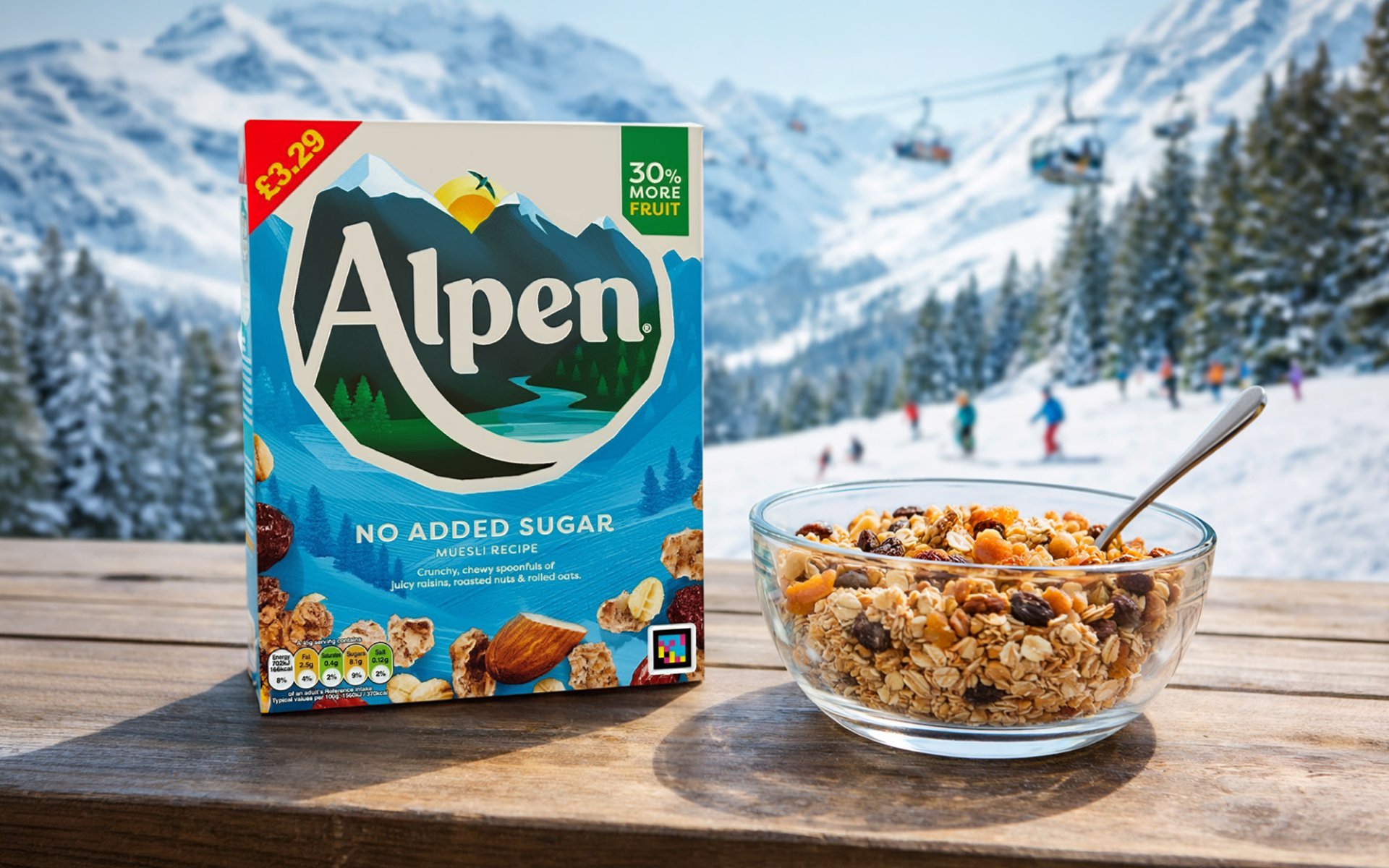
Alpen is a Swiss-style muesli brand that originated in the United Kingdom. It was established in 1971 under the management of Weetabix, one of the UK’s leading cereal manufacturers.The story of Alpen began with a simple yet impactful moment. An executive from Weetabix traveled to Switzerland on a family holiday, where he had the opportunity to try traditional Swiss muesli. He was deeply impressed by both its taste and its ability to provide sustained energy—qualities that made it particularly suitable for outdoor activities in mountainous environments.
Inspired by this experience, he brought the concept back to Weetabix’s headquarters in Burton Latimer, Northamptonshire, England. The idea quickly gained interest among the team, leading to the development of the first muesli product under the brand name “Alpen,” which means “the Alps.” This name reflects both the origin and the inspiration behind the brand.
The Original Alpen Recipe and Product Identity
The original Alpen muesli was carefully formulated using key ingredients such as toasted whole wheat flakes (39%), rolled oats (35%), raisins (16%), and crunchy nuts like hazelnuts and almonds (2%). These were blended with sugar, skimmed milk powder, and salt in balanced proportions to create a distinctive and well-rounded flavor profile. This original recipe has remained popular to this day.Market Growth and International Expansion
Following its launch, Alpen quickly achieved success in the UK market. This was largely due to a growing consumer interest in health and wellness, as more people began seeking breakfast options that were both convenient and nutritionally beneficial.During the 1980s and 1990s, the health-conscious movement continued to expand across Europe and the United States. As a result, products like muesli gained significant popularity. In response to this trend, Alpen expanded into international markets, including Germany, the United States, Australia, and various countries across Asia.
Alpen and the Transglobe Expedition
One of the most significant milestones in Alpen’s history was its involvement in the Transglobe Expedition in 1981. This historic global exploration, led by British explorer Sir Ranulph Fiennes, marked the first circumnavigation of the Earth along its polar axis—from the South Pole to the North Pole.During this expedition, Alpen was selected as one of the primary food sources for the team, providing essential energy throughout the journey under extreme environmental conditions. Being chosen for such a demanding mission not only highlighted the product’s nutritional value but also strengthened the brand’s image as a food choice for active, health-conscious individuals. This played a key role in enhancing global brand recognition and consumer trust.
Product Development and Brand Innovation
Over the decades, Alpen has continuously developed and expanded its product range while maintaining its commitment to using 100% natural ingredients. The brand avoids artificial colors and preservatives and consistently upholds its identity as a health-focused food.In 2002, Alpen expanded beyond traditional cereals by launching Alpen Bars, a convenient cereal bar made from rolled oats, whole wheat flakes, and fruits. This product was designed to meet the needs of modern consumers with fast-paced lifestyles. In 2006, Alpen introduced Alpen Light Bars for those seeking lower-calorie options, and in the following year, launched a Salted Caramel flavor to align with emerging consumer trends.
More recently, in 2023, Weetabix rebranded its low-calorie cereal bar range from Alpen Light to Alpen Delight, emphasizing a balance between indulgent taste and health-conscious choices. This change reflects the brand’s ability to adapt to evolving consumer preferences over time.
Core Products and Nutritional Value
For its core muesli products, Alpen currently offers two main variants in the UK and North American markets: Alpen Original and Alpen No Added Sugar. Both products are certified by the Non-GMO Project, ensuring they are free from genetically modified ingredients. They also meet nutritional standards that exclude them from the HFSS (High in Fat, Salt, and Sugar) category, reinforcing their suitability for long-term healthy consumption.Each 45-gram serving of Alpen Original provides approximately 168 kilocalories, along with 5 grams of protein and 3.5 grams of dietary fiber. Made from 100% whole grains, it delivers sustained energy throughout the morning. Additionally, the fiber from oats supports digestive health, while the nuts contribute healthy fats and essential protein.
Brand Evolution and Modern Positioning
In 2021, marking its 50th anniversary, Alpen underwent a major rebranding campaign titled “Up & Alpen.” This campaign conveyed the idea that starting the day with a nutritious breakfast empowers individuals to overcome daily challenges—symbolically represented as “mountains” in their lives.Today, Alpen remains one of the most popular muesli brands in many countries, particularly in Europe and the United Kingdom. Its continued success can be attributed to its strong health-oriented image, simple and natural product formulations, long-standing brand credibility, and its ability to evolve in line with modern health trends.
Tags :
Related Content
Tracing the History of HP Sauce: The Original British Sauce That Has Been a Kitchen Staple for Over a Century
A Journey Through Time : The History of Carr's Crackers, a Brand with Victorian Roots